

Author: Keri St. John
THE DIRT: Buggin’ Out
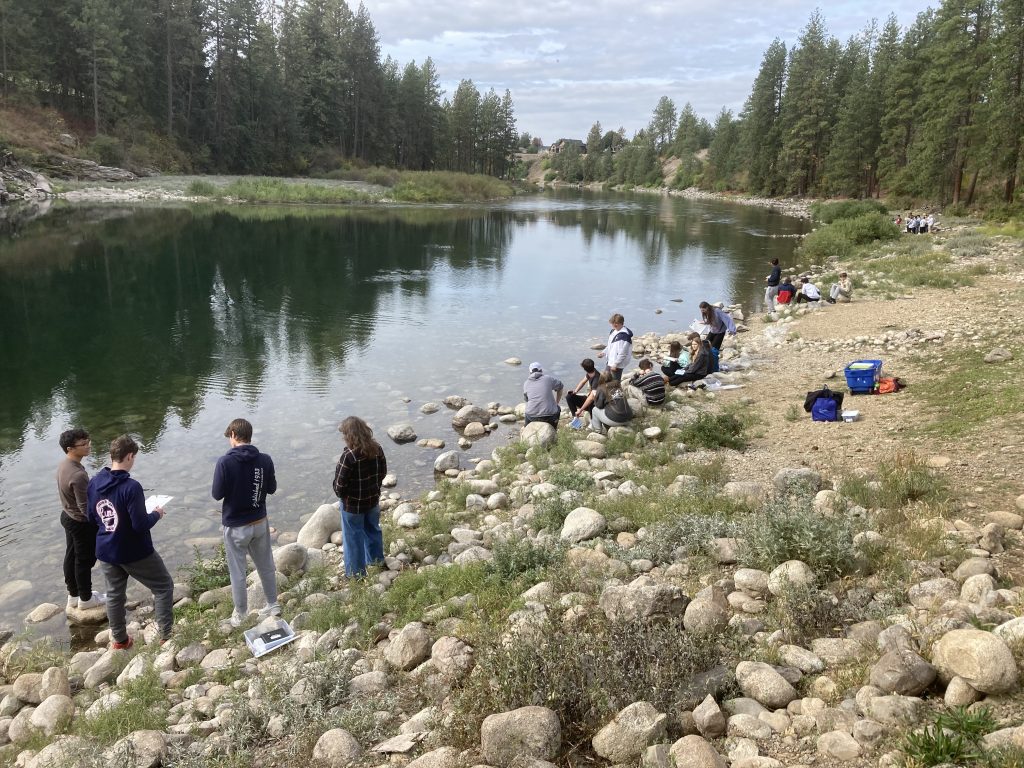
Water quality can be measured in many ways. Some tests involve collecting water samples and analyzing them in a laboratory to determine whether the water is safe for human consumption. Other tests evaluate conditions that affect fish and other aquatic species. While these methods provide valuable information, scientists can also assess the health of a waterbody by examining the organisms that live within it.
Aquatic ecosystems are supported by a complex food web that begins with small organisms. Some, such as zooplankton, are microscopic and difficult to see with the naked eye. Others are larger and more visible. These aquatic “bugs,” known as macroinvertebrates, live among rocks, vegetation, and sediments in streams, rivers, and lakes. Their presence can tell an important story about the health of a waterbody and the life it can support.
Macroinvertebrates are small animals without backbones and include aquatic insects, crustaceans, worms, and snails. They form the foundation of aquatic food webs and serve as an important food source for fish, amphibians, and birds. Because many macroinvertebrates spend months or even years in the same area and cannot easily escape pollution, they are widely used as indicators of water quality.
Some species, such as stoneflies, mayflies, and caddisflies, are highly sensitive to pollution and require cool, clean, oxygen-rich water to survive. Other organisms, including aquatic worms, midge larvae, and some leech species, are more tolerant of pollution and lower oxygen levels. By identifying which macroinvertebrates are present, scientists can develop a biological assessment of stream health and detect potential water quality problems.
During The Confluence Project’s water quality field trips, students often collect and identify macroinvertebrates to help assess watershed health. Wearing waders or muck boots, participants use a kick net to sample rocks and vegetation in the stream. The collected organisms are then placed in a bucket of water, allowing sediment to settle and the tiny creatures to become visible. Using a plastic spoon or pipette, students carefully transfer the organisms to a magnifier for identification.
Once the macroinvertebrates have been identified, students can calculate a biotic index, which provides a general indication of water quality. Finding pollution-sensitive species, such as stoneflies, mayflies, and caddisflies, often suggests a healthy aquatic ecosystem. In contrast, a community dominated by more pollution-tolerant organisms may indicate environmental stress or degraded water quality.
Scientists continue to use macroinvertebrate monitoring today because it provides valuable information about water quality over time. While a single water sample offers a snapshot of conditions at a specific moment, macroinvertebrates reflect the cumulative effects of water quality on aquatic life over weeks, months, or even years. By combining biological monitoring with traditional water chemistry data, researchers can gain a more complete understanding of ecosystem health.
For example, during the past year, the U.S. Fish and Wildlife Service conducted macroinvertebrate sampling near the Central Impoundment Area to evaluate how upgrades to the Central Treatment Plant may be affecting aquatic life in the South Fork Coeur d’Alene River. The macroinvertebrate data, combined with seasonal water-quality sampling, help scientists assess not only changes in water chemistry but also how those changes are influencing the organisms that live in the river. Together, these monitoring efforts provide a more comprehensive picture of the effectiveness of the remedy and its impact on overall water quality.
These tiny creatures may not look impressive at first glance, but they play a critical role in aquatic ecosystems and provide valuable clues about the health of our waterways.
The Dirt is a series of informative articles focused on all aspects of cleanup efforts associated with the Bunker Hill Superfund Site. Our goal is to promote community awareness of contamination issues, to provide tools for protecting public health, and to keep the community informed of current and future cleanup projects. The Dirt is a group of committed and local experts from multiple agencies, including the Basin Environmental Improvement Project Commission, Panhandle Health District, Shoshone County, Silver Valley Economic Development Corporation and the Idaho Department of Environmental Quality.
THE DIRT: Where Trails Meet Tranquility: New Campground Prioritizes Access and Experience
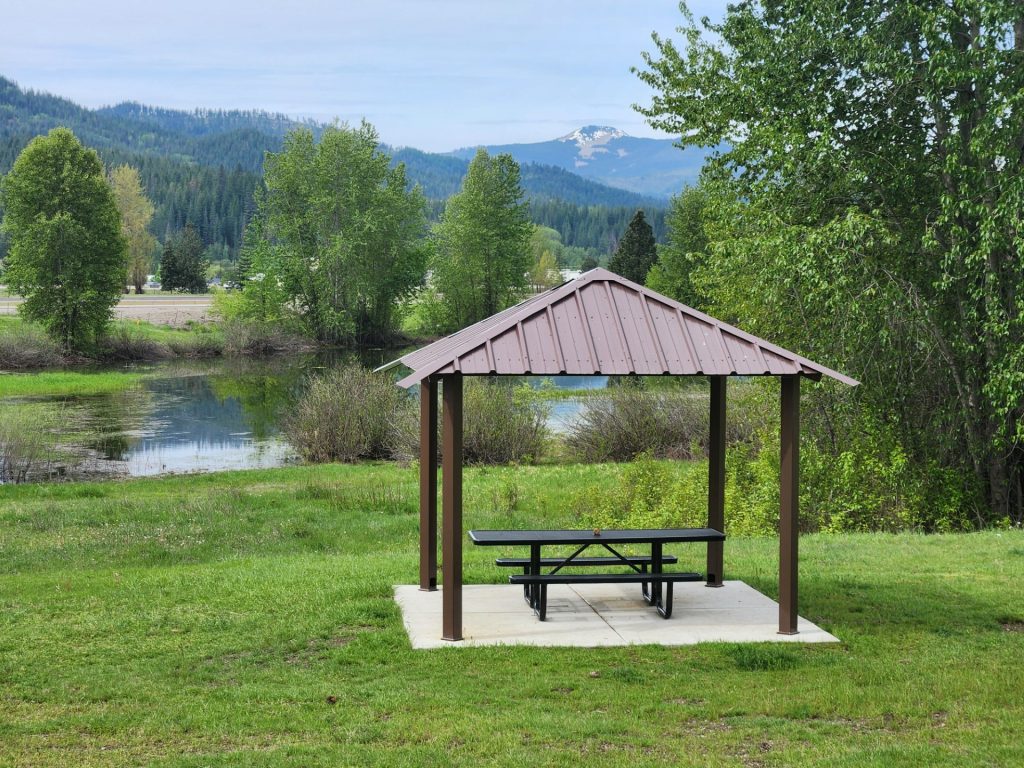
A new bicycle and pedestrian-friendly campground in Smelterville opened in May, offering visitors a unique, low-impact outdoor experience near the Trail of the Coeur d’Alenes. Located off Airport Road on the north side of Interstate 90, the campground includes 26 campsites, two of which are fully ADA-accessible. The accessible sites feature pathways connecting the trailhead parking area directly to the campsites.
Designed primarily as a bike-in or walk-in campground, the site encourages visitors to arrive without a vehicle. A 22-stall parking lot is available inside a gated area on a first-come, first-served basis. Not every campsite will accommodate a vehicle, and some visitors may need to park and walk up to 1,000 feet to reach their site. The campground road is approximately 10 feet wide with shoulders, but vehicle access beyond the gate is restricted to those with reservations.
Each campsite includes a bike rack and picnic table, while 11 sites also have hammock posts. The campground offers tent pads, a centrally located shower house with four stalls, flushable toilets, sinks, electrical outlets, and power for charging devices. Two e-bike charging stations are available—one near the shower house and another at the campground entrance. Visitors must bring their own chargers.
The campground supports Class 1 and Class 2 e-bikes, but not Class 3 e-bikes. The trail speed limit is 15 mph. ADA users may request an OPDMD permit through Idaho Parks and Recreation to use qualifying mobility devices. Dogs are welcome but must remain leashed, and owners are required to clean up after them.
The campground is located in an area that has undergone extensive environmental cleanup. Visitors should remain on designated paved and gravel surfaces because surrounding areas have not been fully remediated. In particular, soils in areas below the high-water mark may still contain elevated levels of heavy metals. Avoid disturbing these soils and follow posted signs and access restrictions.
Just east of the campground, cleanup at East Smelterville Flats has also transformed a former contaminated site into a safer recreational area. Phase 2 of the cleanup was completed this summer. The work included installing a new 12-inch clean soil cap, revegetating the 14-acre site, adding gravel walking paths, and installing four concrete pads for future picnic areas. Interpretive signage will help visitors understand both the area’s history and the environmental cleanup that has taken place.
A new shade structure and picnic table, installed by the Kootenai Realtors Association just west of the Airport Riverwalk parking lot, provide another place for visitors to rest and enjoy the area. This fall, additional interpretive signs covering local history and environmental cleanup efforts will be installed.
Future plans include a trail connection between the campground and the Pinehurst Trailhead, pending agreements and funding.
Together, these projects demonstrate how cleanup and recreation can work hand in hand—protecting people from historical contamination while creating new opportunities to bike, walk, camp, and learn about the ongoing restoration of the Silver Valley.
THE DIRT: Part 2: From Tailings Pond to Engineered Repository—The Story Behind Page
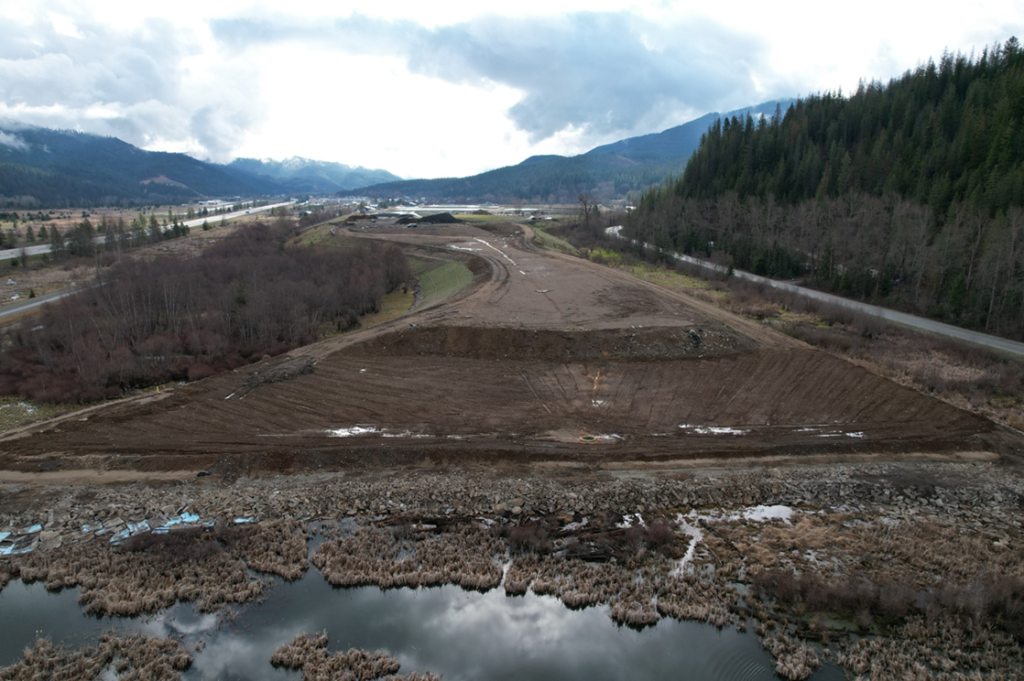
At first glance, the Page Repository seems like an unusual place for an environmental cleanup project. Why would engineers build a repository in what appears to be a wetland?
The answer begins more than a century ago.
Long before the repository existed, the site served as the Page Mine tailings pond, where fine mining waste was deposited for decades. Those tailings contained elevated concentrations of lead and other metals, creating a long-term source of contamination.
When mining operations ended, the exposed tailings presented another problem. As they dried, fine contaminated particles became airborne, creating dust that posed a risk to nearby communities.
To prevent that from happening, cleanup managers intentionally maintained water over much of the former tailings pond. A water-control structure, known as a weir, was installed on the west end of the Page Swamp to maintain a relatively constant water level. During wet periods, the tiered weir allows excess water to flow downstream. During dry periods, it retains water over the tailings, preventing them from drying out and becoming mobile through wind erosion.
Over time, vegetation became established, wildlife colonized the area, and portions of the former industrial site developed wetland characteristics. Although these wetlands resulted from historic mining activities and subsequent cleanup actions—not natural processes—they became regulated under the Clean Water Act.
As engineers planned each repository expansion, wetland impacts were carefully evaluated through formal wetland delineations documented in the design reports. Federal law required those impacts to be compensated through wetland mitigation. Projects such as the West End Natural Infrastructure (WENI) project and later restoration work at Robinson Creek created and enhanced wetlands that replaced lost wetland functions while supporting the continued cleanup of contaminated mine waste.
The concrete foundation visible today is another part of that long-term engineering strategy. The repository design calls for concrete or quarry rock beneath the disposal area to create a stable platform above the saturated ground. This foundation supports heavy equipment, minimizes settlement, and helps isolate contaminated materials from groundwater.
Stormwater management is a critical component of protecting water quality at the Page Repository. The repository is engineered with a tightly compacted surface that minimizes the amount of stormwater that comes into contact with the waste material. Surface runoff is directed to drywells, which convey the water into the engineered foundation beneath the repository. This design reduces the time stormwater is in contact with the waste while preventing erosion and uncontrolled runoff. Best management practices are also used to capture and remove sediment from stormwater before it enters the drywells, where it joins the water managed within the foundation system.
To verify that these engineering controls are working as intended, scientists monitor water quality at 14 locations around the Page Repository, including eight groundwater monitoring wells and six surface water sampling sites. Water samples are collected twice each year during both high-flow and low-flow conditions and analyzed for metals as well as key water quality indicators such as dissolved oxygen, pH, conductivity, and oxidation-reduction potential.
Once the engineered foundation is complete, contaminated soils are placed in controlled lifts over many years. The repository ultimately will reach approximately 60 feet of engineered fill before reaching its design capacity. Throughout construction, engineers carefully limit how much material is placed each season to maintain stability and allow the underlying foundation to settle as designed.
When repository operations are complete, the contaminated materials will be covered with an engineered cap that minimizes rain and snowmelt infiltration. Reducing the amount of water that moves through contaminated waste is one of the most effective ways to limit the movement of dissolved metals into groundwater and nearby streams.
The Page Repository represents decades of careful engineering and environmental planning. What may appear to be a pile of concrete is actually a critical component of an engineered system designed to safely contain contaminated mine waste, protect water quality, and support the continued cleanup of the Coeur d’Alene Basin for years to come.
THE DIRT: The Page Repository Pt. 1 – New life for the 34-year-old facility
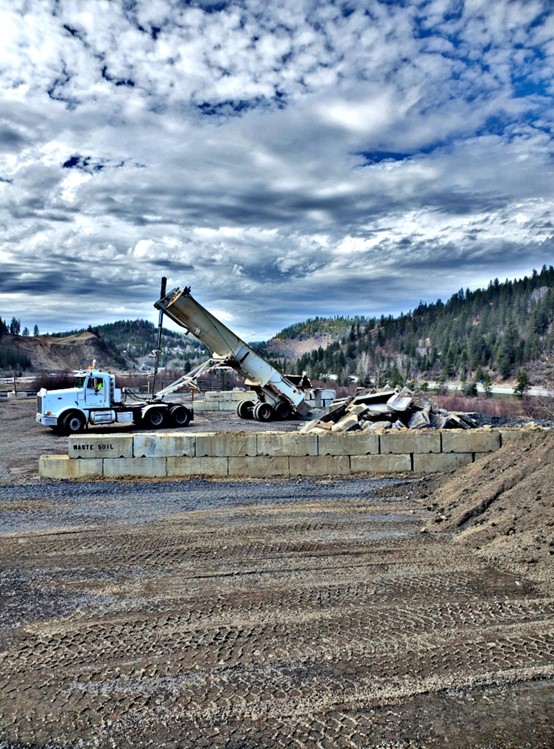
If you’ve driven past the Page Repository recently, you’ve probably noticed a large stockpile of concrete and wondered what’s going on. Why is so much concrete being brought to the repository? Why is it being placed in what appears to be a wetland? And how does it fit into the environmental cleanup of the Coeur d’Alene Basin?
The answer starts with understanding what the Page Repository is—and what it isn’t.
The Page Repository is not a municipal landfill. It is a specially engineered disposal facility built as part of the Bunker Hill Superfund cleanup to safely contain contaminated soil and mine waste generated by cleanup projects throughout the Box. EPA envisioned the repository in its 1992 Operable Unit 2 Record of Decision as a permanent location where contaminated materials could be consolidated, isolated, and eventually capped to protect human health and the environment. The repository currently accepts waste from remedial actions, the Institutional Controls Program, Roads Program, and Basin Property Remediation Program. Page Repository is designed and operated by IDEQ. It allows those in the Box to have a place to put their contaminated soil making it vitally important for the community.
One feature many people don’t realize is that the repository was designed to use clean, durable construction materials as part of its engineered foundation. Rather than purchasing thousands of cubic yards of quarry rock, engineers can use concrete from construction projects if it meets engineering specifications.
Think of it like building a house. Before you pour the floor or build the walls, you first need a solid foundation. At Page, the concrete isn’t waste being buried. Instead, it forms the structural base that supports future layers of contaminated soil while providing long-term stability for heavy equipment and decades of repository use.
Engineers designed the repository so only about five feet of contaminated material can be added each construction season. This controlled loading allows the underlying materials time to settle before additional weight is placed on top. Adding too much weight too quickly could affect long-term stability, so construction occurs in carefully planned stages. Engineers monitor the repository throughout construction and placement of waste for geotechnical stability.
The repository was originally designed to receive roughly 15,000 cubic yards of contaminated material each year, but recent cleanup projects are generating closer to 30,000 cubic yards annually. Preparing additional foundation now helps ensure the repository can safely accommodate those higher volumes.
Some people have wondered why the current concrete stockpile appears so much larger than in the past. Higher volumes of contaminated soil require additional repository capacity, and engineers are constructing the foundation for Cell 6 exactly as called for in the approved design. In addition, the west end of the swamp is deeper requiring more material for the foundation construction. Similar work has occurred during previous repository expansions, but recent work on I-90 has provided much of the concrete needed for expansion. Reusing concrete makes good financial sense. Instead of paying to dispose of clean concrete in a landfill, the material can be beneficially reused in the repository. In addition, the Idaho Department of Environmental Quality (DEQ), does not have to pay for purchasing materials for the foundation. If suitable concrete and rock weren’t available from local construction projects, they would have to purchase and haul rock from commercial quarries. At an estimated cost of about $50 per cubic yard before transportation, buying all of that material could cost more than $7.5 million.
They are currently stockpiling the concrete at Page to build out Cell 6. Later in the season contractors will remove reinforcing steel and process the concrete, so the pieces meet design specifications. Pieces that are too small create excess fine material, while larger pieces do not compact properly. Every source is reviewed by DEQ, the repository operator, and the Engineer of Record before it becomes part of the repository.
The current work taking place in Cell 6 is deeper than in previous expansion areas. Because of these softer underlying conditions, engineers designed Cell 6 with additional foundation material to provide the necessary support while maintaining the finished repository at least one foot above the 100-year flood elevation. Once this foundation work is complete, no further foundation expansion is planned.
Large pieces of concrete have been incorporated into the repository since its early expansions. Water-quality monitoring has not shown adverse impacts associated with this practice. As planning begins for the repository’s next expansion, additional water-quality testing will help guide future design decisions.
In our next article, we’ll explore why the repository is located where it is, how a former tailings pond became a regulated wetland, and why managing water at the site has always been one of the keys to protecting water quality throughout the Basin.
• • •
The Dirt is a series of informative articles focused on all aspects of cleanup efforts associated with the Bunker Hill Superfund Site. Our goal is to promote community awareness of contamination issues, to provide tools for protecting public health, and to keep the community informed of current and future cleanup projects. The Dirt is a group of committed and local experts from multiple agencies, including the Basin Environmental Improvement Project Commission, Panhandle Health District, Shoshone County, Silver Valley Economic Development Corporation, and the Idaho Department of Environmental Quality.
THE DIRT: Annual Basin tour to explore lower regions
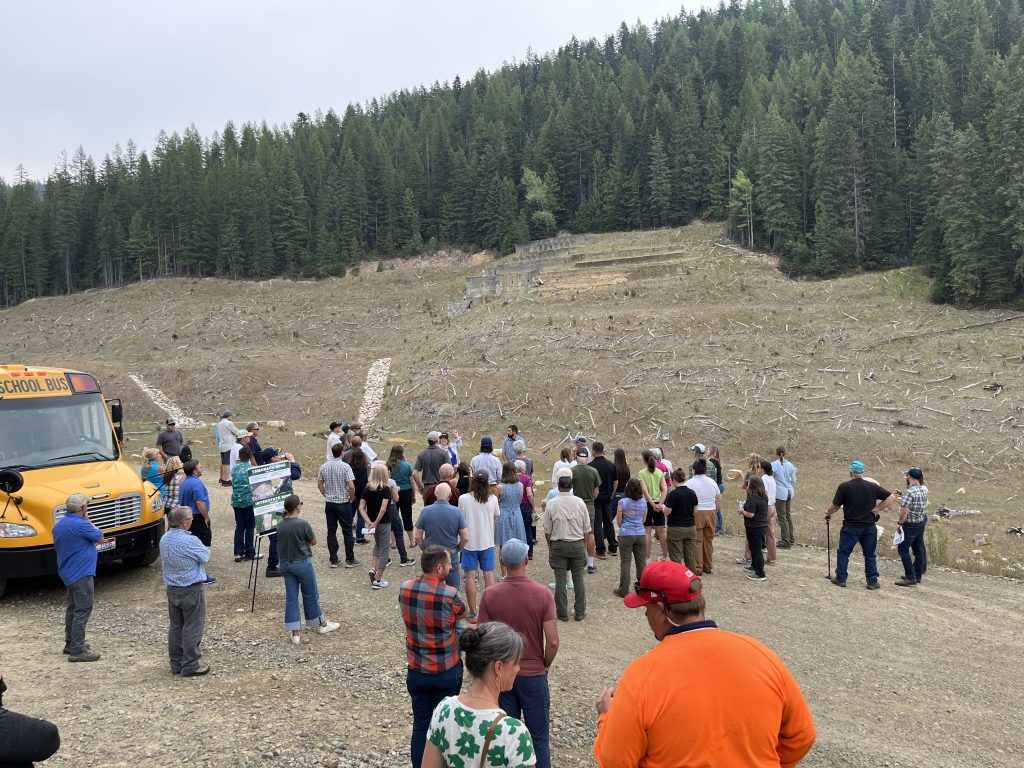
Join the Basin Environmental Improvement Project Commission (BEIPC) for its annual Basin Tour on Wednesday, July 29, from 9:30 a.m. to 3:30 p.m. This year’s tour will focus on the Lower Basin, highlighting both remediation and restoration efforts that are improving water quality, habitat, and ecosystem health throughout the watershed.
The annual tour gives commissioners and members of the public an opportunity to see completed projects, ongoing work, and future priorities. Because of the size and complexity of the Coeur d’Alene Basin, tour locations rotate among the Upper Basin, Lower Basin, and Box.
The day will begin at Scheffelmaier’s Country Barn, where participants will receive project updates and a preview of the sites to be visited.
The first field stop will be the Hepton Lake Willow Nursery near St. Maries, ID where Coeur d’Alene Tribal staff will discuss restoration efforts designed to improve wetland habitat, water quality, and native fish populations while controlling invasive species. Participants will also tour the Native Willow Nursery, which provides plant materials for Restoration Partnership projects throughout the Basin.
During lunch at Aqua Park in St. Maries, representatives from the Inland Northwest Land Conservancy will discuss their conservation efforts within one of their priority areas, the Coeur d’Alene River and the important role land protection plays in supporting restoration projects.
The tour will then visit Grays Meadow, with Idaho Dept. of Fish and Game where approximately 700 acres of contaminated agricultural fields have been remediated and restored to wetlands supporting waterfowl and other wildlife habitats. This agricultural to wetland conversion project will also increase the amount of functioning, high quality habitat, and improve nutrient filtering and water quality. Participants will view both the east and west fields and learn about the project’s benefits for wildlife, water quality, and ecosystem function.
The final stop will be Rose Lake, where the U.S. Geological Survey will discuss new sediment monitoring stations installed to help track sediment movement down the Lower Coeur d’Alene River and into Coeur d’Alene Lake.
As an added bonus, attendees will receive a Bird Bingo card and have the chance to win prizes throughout the day. The Lower Basin is a haven for migratory birds and waterfowl, making it the perfect place to test your bird-spotting skills while exploring some of the Lower Basin’s most important restoration sites.
Registration is required, and seating is limited.
To reserve a seat, contact:
Gail Yost, Executive Director’s Assistant
📧 gail.yost@deq.idaho.gov
📞 208-783-2548
For updates and the full agenda, visit www.basincommission.com.
THE DIRT: The Confluence Project in the Silver Valley
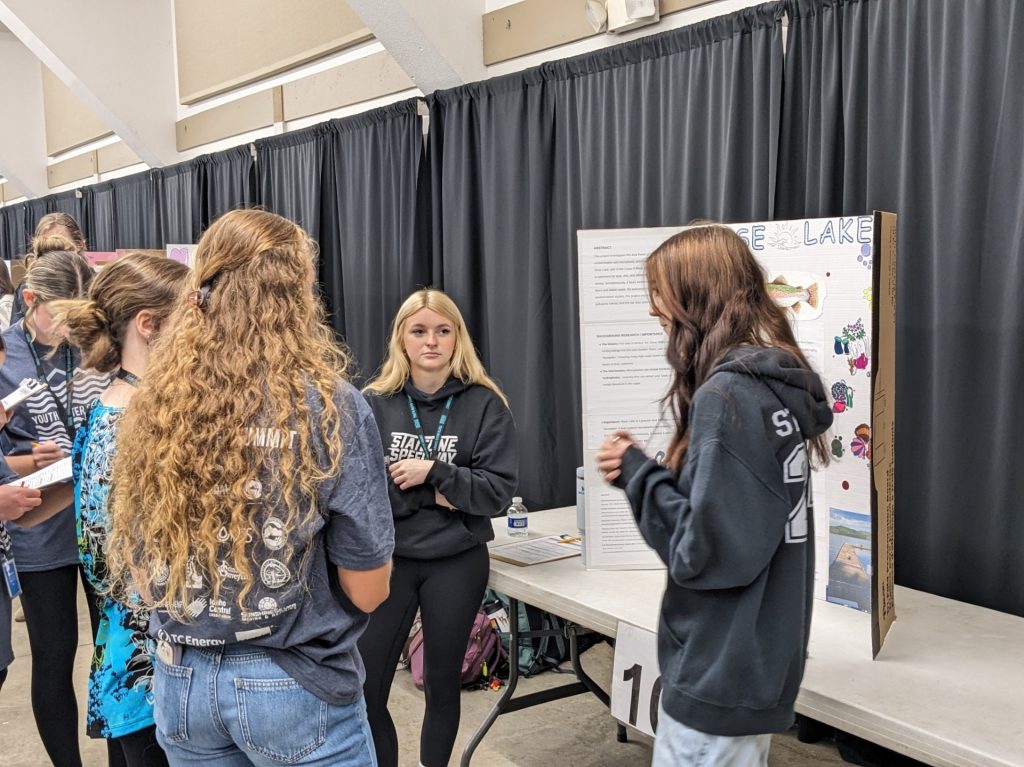
For many years, students from Kellogg and Wallace High Schools have participated in the Confluence Project, a year-long water science program that connects classroom learning with real-world environmental research. Sponsored by the University of Idaho and supported by numerous agencies and local governments, the program provides students with hands-on opportunities to explore the Coeur d’Alene Basin watershed and the challenges facing its natural resources.
Each fall, students head into the field to investigate local waterways and assess stream health through chemical, physical, and biological monitoring. Kellogg students study Jackass Creek, while Wallace students conduct research on the South Fork Coeur d’Alene River. Both waterways have been affected by historic mining contamination and continue to face environmental pressures, including rising water temperatures and changing stream conditions.
Through these field studies, students collect and analyze data to better understand the health of aquatic ecosystems and the species that depend on them. Along the way, they learn about the history of the watershed, the impacts of human activities, and the importance of protecting water resources for future generations.
Another highlight of the program is snowpack monitoring. Students go to Lookout Pass during the winter to measure snow levels and learn how mountain snowpack functions as a natural water reservoir. They discover how snowmelt sustains rivers and streams throughout the spring and summer, and how declining snowpack can reduce stream flows, increase water temperatures, and create challenging conditions for fish and wildlife.
The lessons learned through the Confluence Project often stay with students long after they leave the classroom. During a field excursion last fall, a former participant joined the group and immediately noticed that water levels in the creek were significantly lower than in previous years. The observation demonstrated not only an enduring connection to the watershed but also one of the most important skills in science: careful observation.
The program’s impact extends far beyond data collection. Students are encouraged to connect their own interests and passions with science and environmental stewardship. Many finish the year with greater confidence in their abilities and a new appreciation for careers in science, natural resources, and environmental management.
Wallace High School teacher Jennifer Murray has seen firsthand how the program engages students.
“We first learn about rivers and how to measure water quality and assess the health of a river. Students enjoy walking to the river to do this hands-on assessment. In February, we go to Lookout to measure snowpack and compare our data to the SNOTEL records to see how snow levels have changed over the past 70 years. Students then choose a topic related to the Coeur d’Alene Watershed to investigate and present at the Youth Water Summit. It’s a great opportunity for students to learn alongside other schools and science professionals while developing a deeper understanding of their watershed.”
2025 Youth Water Summit Award Winners
Kellogg High School
- First Place: Isabella Hollis and Nevaeh Schabell
- How does oil pollution affect the aquatic environment?
- Second Place: Richard Bewick, Gabe Johnson, and Darren Ruggabe
- Water Quality & Swimming
- Third Place: Abie Torres and McKayla Sims
- Overall Effects of Lead Pollution at Bull Run Lake
Wallace High School
- First Place: Ashley Schwartz and Kora Foust
- Rose Lake, Dual Threats from Metals and Microplastics
- Second Place: Anthony Frank
- Human Waste in the Waters…
- Third Place: Henry Larson and Marley Pearce
- The Fork Off
Through programs like the Confluence Project, local students are gaining the knowledge, skills, and experiences needed to become the next generation of watershed stewards and community leaders.
The Dirt is a series of informative articles focused on all aspects of cleanup efforts associated with the Bunker Hill Superfund Site. Our goal is to promote community awareness of contamination issues, to provide tools for protecting public health, and to keep the community informed of current and future cleanup projects. The Dirt is a group of committed and local experts from multiple agencies including the Basin Environmental Improvement Project Commission, Panhandle Health District, Shoshone County, Silver Valley Economic Development Corporation, and the Idaho Department of Environmental Quality.
THE DIRT: Innovative Wastewater Project in Kingston-Cataldo Blends Infrastructure Upgrades with Environmental Benefits
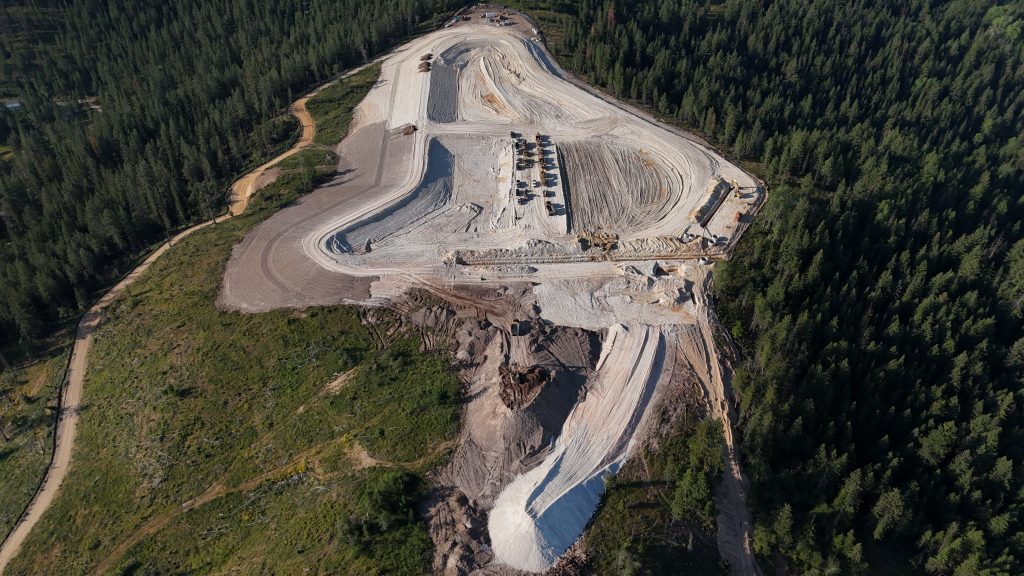
KINGSTON, ID — The Kingston-Cataldo Sewer District is redefining what infrastructure can achieve. By pivoting to an innovative land application treatment approach, the District is securing future capacity and self-sustainability while cultivating a thriving local ecosystem.
Faced with current user rates averaging $72 per month per housing unit, the district began exploring alternative treatment methods to control future costs while maintaining effective service. Those efforts led to the development of a land application facility, funded through a combination of support from the Idaho Department of Environmental Quality (DEQ), ARPA funds, and Leading Idaho grants.
Construction on the project began approximately one year ago and is expected to reach completion this summer. Once operational, all customer flows will be directed to the new facility. When the construction phase is completed, the system will undergo rigorous “clean water” testing before going fully operational.
Beyond its primary function of wastewater treatment, the project has sparked unexpected and valuable conservation partnerships. The Idaho Fish and Wildlife Office (IFWO) expressed interest in enhancing the site by providing native wildflower seeds. What began as a plan for 20 acres quickly grew to 40 acres with additional support, including a donation from Avista Utilities.
In total, 52 acres will be irrigated during the driest part of the summer. The irrigation will be a vital hydration source for the landscape while simultaneously providing critical support to local pollinators. Plans also include planting additional milkweed, generously donated by WingsRising Inc. of CDA, to benefit monarch butterflies, a species identified as a “species of greatest conservation need” in Idaho. The milkweed serves as an essential food source for monarch larvae.
The project has also yielded surprising geological discoveries. During excavation, crews encountered consistent clay deposits extending 55 feet deep—an unexpected find in what was assumed to be rocky terrain. This fine, talc-like clay proved ideal for construction purposes such as retaining walls and compaction.
In a unique collaboration showcasing local circularity, some of the clay was donated to Priest Lake potter Brad Sondahl. Sondahl has been exploring the material’s use in pottery, creating complimentary coffee mugs for the sewer district without impacting the project’s budget or timeline.
Additional enhancements are currently in progress, including hydroseeding following irrigation installation. The district is considering another IFWO recommendation to use a native seed blend instead of a standard dryland grass mixture to ensure better long-term survival and ecological resilience. While the native blend may incur a small increase in cost, it is expected to serve as a prototype for similar facilities in the future.
The project will ultimately transition approximately 350 connections to the new system, reducing flows to the South Fork Sewer District and increasing capacity for the region. Overall, the initiative represents a forward-thinking, collaborative solution that benefits both the local community and the Idaho environment.
By choosing ecological integrity over the status quo, the Kingston-Cataldo Sewer District is proving that wastewater management doesn’t just have to be about “disposal”—it can be about renewal.
THE DIRT: Drought conditions increase exposure risks
Winter in North Idaho has been an odd one this year. From December flooding to an unseasonably dry & warm February, to several severe windstorms, North Idaho has certainly been through the ringer. Precipitation and snowpack deficits over the past four years have also contributed to a multi-year drought in our region that persists today.
Despite late-season snowfall, snowpack remained below normal for the 2026 water year, as a larger portion of precipitation fell as rain rather than snow. To make matters worse, current climate outlooks forecast dry and warm spring conditions and warmer than normal summer temperatures. Drought conditions bring on an abundance of various concerns such as forest fires and water restrictions, but for those living, working, or recreating in the Bunker Hill Superfund Site, a not so commonly known concern is the increased risk of lead exposure.
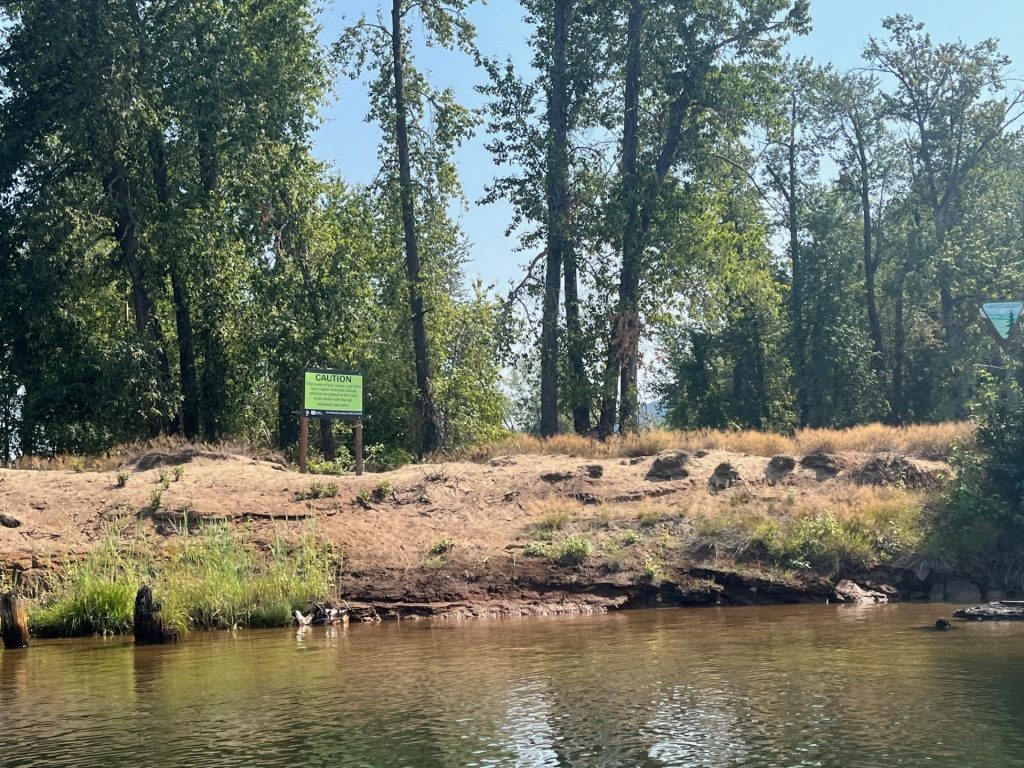
While thousands of properties in the superfund site have been cleaned up through remedial actions, contaminated areas are still present, even in some popular recreational areas. When droughts occur, soil dries out much faster, leading to dustier than normal conditions. If dust is kicked up or disturbed in these contaminated areas, exposure is extremely difficult to prevent. Dust particles stick to clothing, shoes, towels, pets, etc., and are easily tracked into tents, campers, vehicles, and homes. Airborne dust is easily breathed in and 100% of the lead inhaled enters the bloodstream. Dust consumed when eating with dirty hands or food is also absorbed into the bloodstream at varying rates.
Young children are particularly vulnerable to lead poisoning as they may absorb up to 4–5 times as much lead as adults from an ingested dose. Moreover, children’s innate curiosity and their age-appropriate and frequent hand-to-mouth and object-to-mouth behaviors increase the likelihood of exposure.
When the temperatures rise, people also tend to spend more time around streams and lakes where they can play and cool down at the same time. Due to the historic practice of discharging mine wastes into area water bodies, extra precautions must be taken if recreating in or around impacted areas, such as the South Fork and main stem of the Coeur d’Alene River. If you are not drinking the water, swimming itself is a low-risk activity, but playing, resting, and eating on shores and beaches contaminated by these sediments can be high risk activities.
So, what can you do to protect you and your family? Follow these guidelines:
- Wash your hands and face with clean water and soap before you eat, drink, or smoke
- Avoid eating, drinking, or smoking in dusty environments.
- Eat on clean surfaces such as picnic tables or clean blankets.
- Immediately change out of clothes after working or recreating in dirty or dusty conditions and launder those items separately.
- When working or recreating in dusty areas, wear facial masks or respirators that filter out particulate matter.
- Change furnace filters and the filters on window air conditioning units every 1-2 months.
- Avoid stirring up lead-containing dust with dry sweeping; wet cleaning is safer.
- Have your children’s blood lead levels checked
For more information, please contact Panhandle Health District at (208)783-0707.
The Dirt is a series of informative articles focused on all aspects of cleanup efforts associated with the Bunker Hill Superfund Site. Our goal is to promote community awareness of contamination issues, to provide tools for protecting public health, and to keep the community informed of current and future cleanup projects. The Dirt is a group of committed and local experts from multiple agencies including the Basin Environmental Improvement Project Commission, Panhandle Health District, Shoshone County, Silver Valley Economic Development Corporation, and the Idaho Department of Environmental Quality.
THE DIRT: From Flood to Drought: Why North Idaho Is Still Short on Water
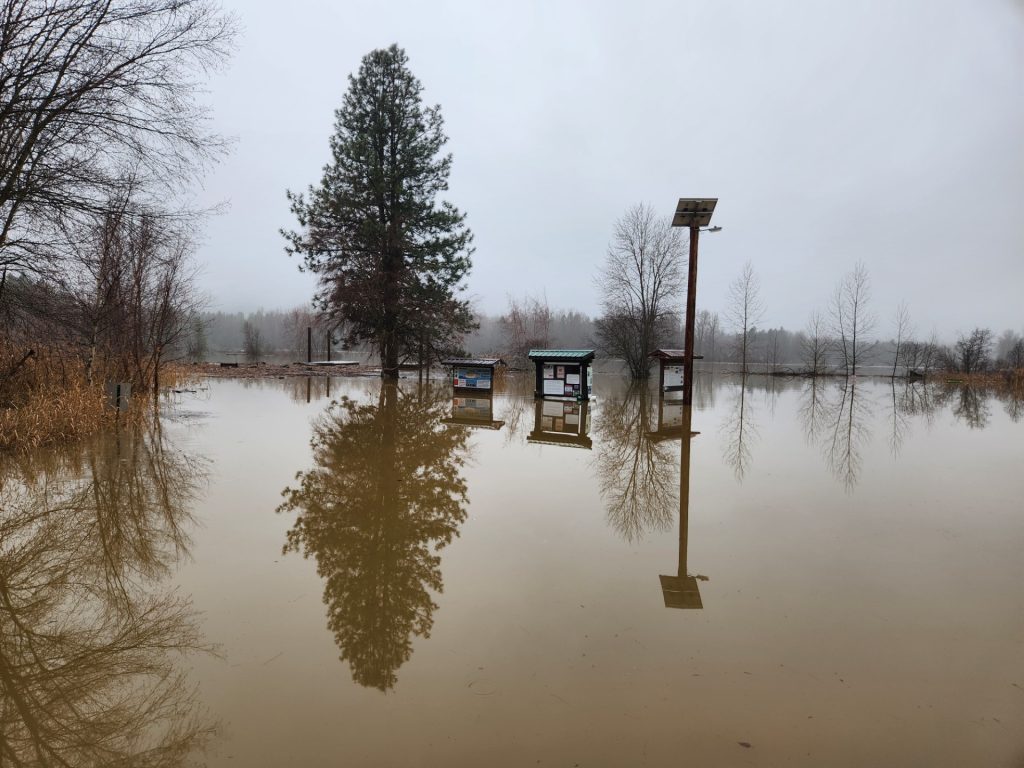
To many people, December’s flooding may have looked like the end of North Idaho’s drought. In reality, the region’s water picture remains fragile—and in some ways, the flood masked deeper problems.
North Idaho has experienced some level of drought since the summer of 2021. While only water year 2024 saw well-below-normal snowpack overall, most recent years have been marked by earlier-than-normal spring runoff and melt-out. That early melt can leave the region dry by mid- to late summer if rainfall doesn’t keep pace.
In mid-December 2025, drought designations across the Idaho Panhandle were temporarily reduced. Above-normal precipitation gave the appearance that drought conditions were easing. However, that improvement was short-lived and largely driven by rain rather than snow.
The December flood itself did little to solve the long-term water deficit. Record warm temperatures and widespread rain across all elevations meant precipitation fell as rain rather than snow. Instead of being stored in the mountains, much of that water ran quickly into rivers and downstream—eventually heading out to the ocean. The warmth also created a denser-than-normal snowpack, which is less able to absorb rainfall and more prone to rapid melt.
Despite all the water on the landscape in December, North Idaho has now slipped back into drought largely because of one missing ingredient: snowpack. Snow plays a critical role in the region’s water supply. Roughly 60 percent of North Idaho’s water comes from snowmelt. Snow acts as a slow-release reservoir, feeding rivers, lakes, and groundwater through spring and summer—when demand is highest.
One way to think about snowpack is as a savings account for seasonal workers. Winter is when you build your savings. Summer is when you live off it. If you don’t put enough away during the winter, it doesn’t matter how much money briefly passed through your hands—you’re still going to struggle later. December’s flooding was like a big paycheck that immediately went out the door, not money set aside for the months ahead.
There are some short-term benefits. Heavy rain increased soil moisture and shallow groundwater, which can improve runoff efficiency during spring melt. But without adequate snow in the mountains, that benefit is limited.
As of now, total precipitation (rain and snow combined) in North Idaho is near to slightly above normal; however, much of that moisture has fallen as rain rather than snow. As a result, snowpack—the region’s primary natural reservoir—remains below normal and has continued a concerning trend of reduced accumulation over recent winters, limiting water storage heading into the warmer months.
Climate trends suggest these rapid swings—from drought to flood and back again—may become more common. Warmer air holds more moisture, increasing the likelihood of extreme precipitation events, rain-on-snow flooding, and longer dry periods between them.
In short, December’s flood didn’t refill North Idaho’s water bank. Despite a wet winter on paper, the region enters the warmer months with below-normal snowpack, reduced natural storage, and below-normal streamflow forecasts.
The Dirt is a series of informative articles focused on all aspects of cleanup efforts associated with the Bunker Hill Superfund Site. Our goal is to promote community awareness of contamination issues, to provide tools for protecting public health, and to keep the community informed of current and future cleanup projects. The Dirt is a group of committed and local experts from multiple agencies including the Basin Environmental Improvement Project Commission, Panhandle Health District, Shoshone County, Silver Valley Economic Development Corporation, and the Idaho Department of Environmental Quality.
THE DIRT: Dayrock Mitigation
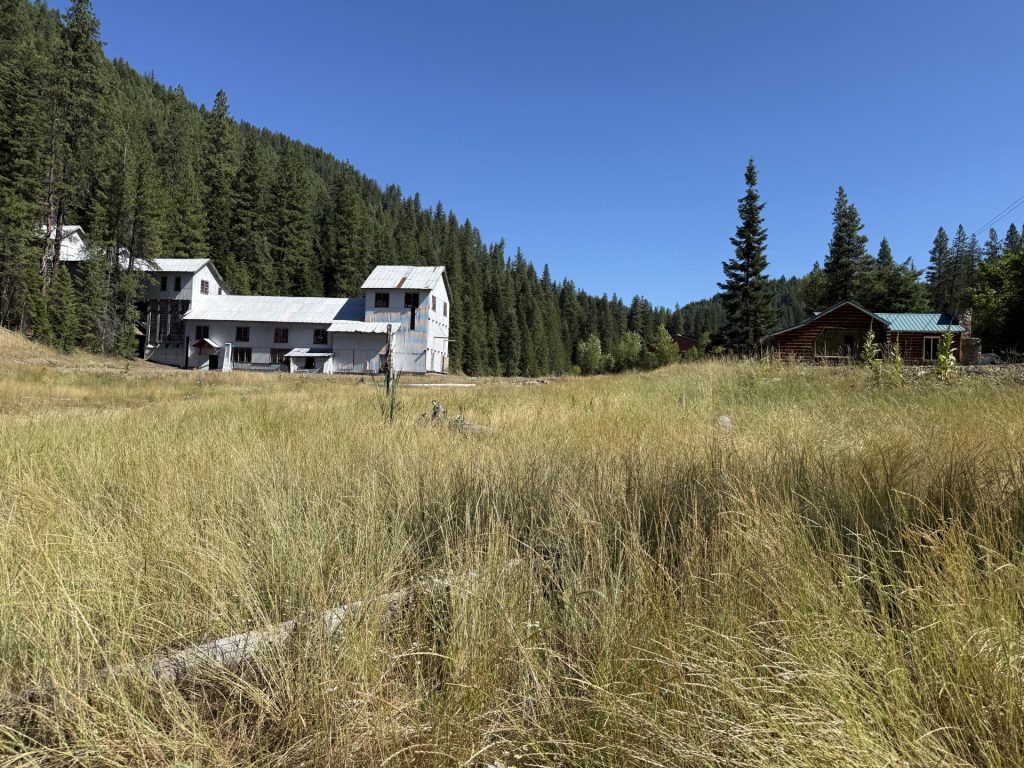
The Dayrock Complex is located near Wallace within Ninemile Creek Basin watershed and is included in the Upper Basin of the Bunker Hill Mining and Metallurgical Superfund site. This site offers a real-world example of how the National Historic Preservation Act (NHPA) guides decisions and mitigation when cleanup efforts affect historic resources. During the Historic Resource Survey, 18 historic-period architectural resources and one archaeological resource were identified leading to the determination that it is a historic district. The Dayrock Complex was determined eligible for listing in the National Register of Historic Places as a significant representation of historic mining technology.
The cleanup at the Dayrock Complex required removing several old buildings and structures that were part of its historic mining district. The work also included adding new modern features—like reconstructed creek channels and culverts which would change the area’s historic layout, setting, and materials. Because these changes affected nearly all the elements that made the Dayrock Complex historically significant, they were considered an adverse effect under the NHPA and Environmental Protection Agency (EPA) determined that mitigation was necessary, and the Idaho State Historic Preservation Officer (SHPO) concurred.
Once mitigation is determined, EPA may reach out to potentially interested parties to discuss the project, its impacts, and begin discussing options to offset the impacts of the cleanup. Since the historic resource being adversely affected is a local resource, the local community should have a voice in what comes from the mitigation process.
To address the Dayrock Complex’s adverse effects, EPA met with Idaho SHPO and several local groups—including the Wallace Planning and Zoning Department, Nine Mile Cemetery Association, Wallace Mining Museum, Wallace Chamber of Commerce, Shoshone County, and the Advisory Council on Historic Preservation—to discuss the project and gather ideas for mitigation. Based on this input, EPA agreed to turn an existing Idaho mining history study into a Multiple Property Documentation (MPD) form, which provides a common framework for evaluating similar mining sites. This MPD provides contexts for the identification, evaluation, registration, and treatment of metal ore mining properties in the geographic area of the state of Idaho during the period 1860–1977. It provides a comprehensive historical overview of mining activities and related technology. The MPD is intended to assist cultural resources professionals, landowners, land managers, and the public in identifying and evaluating mining-related properties based on eligibility criteria for listing in the National Register of Historic Places (NRHP). As part of this effort, EPA also nominated two historic properties—the Nine Mile Cemetery and the Shoshone County Poor Farm—for listing in the NRHP, helping recognize and preserve important mining-related heritage while making future listings easier and more consistent.
Selecting off-site mitigation properties, such as the Nine Mile Cemetery and the Shoshone County Poor Farm, for listing on the National Register of Historic Places offers several key benefits. Listing formally recognizes the historical, architectural, or cultural significance of these properties, providing a clear framework for preservation and ensuring their value is considered in planning decisions. It can also make the properties eligible for preservation incentives such as grants or tax credits, supporting long-term maintenance and protection. Additionally, National Register status strengthens the credibility and transparency of mitigation efforts, demonstrating a commitment to safeguarding heritage resources while achieving environmental or development goals.
By integrating NHPA requirements into Superfund cleanups, agencies ensure that environmental remediation does not come at the cost of cultural heritage. Through careful planning, consultation, and thoughtful mitigation, it is possible to protect human health, the environment, and the stories embedded in historic landscapes.
The Dirt is a series of informative articles focused on all aspects of cleanup efforts associated with the Bunker Hill Superfund Site. Our goal is to promote community awareness of contamination issues, to provide tools for protecting public health, and to keep the community informed of current and future cleanup projects. The Dirt is a group of committed and local experts from multiple agencies including the Basin Environmental Improvement Project Commission, Panhandle Health District, Shoshone County, Silver Valley Economic Development Corporation, and the Idaho Department of Environmental Quality.