

Category: Uncategorized
THE DIRT: Completion of Priority Cleanup Activities in the Ninemile Basin
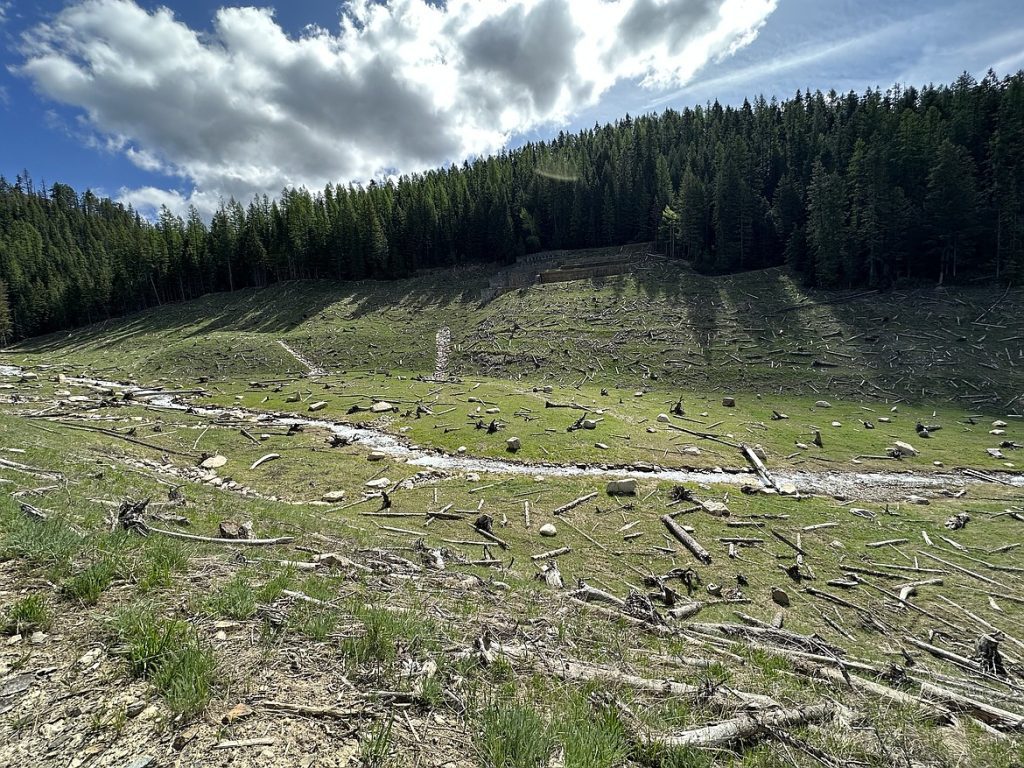
All priority cleanup activities in the East Fork Ninemile (EFNM) Basin have been successfully completed, marking a significant milestone in environmental cleanup efforts. The EFNM Waste Consolidation Area (WCA) has reached capacity, and final closure activities are now underway. As this phase concludes, monitoring efforts will continue to assess the effectiveness of the remedial actions.
The Ninemile watershed, located near Wallace, Idaho, spans approximately 12 square miles, with Ninemile Creek extending 7 miles from its confluence with the South Fork Coeur d’Alene River (SFCDR) to the EFNM Creek headwaters. This area has been significantly impacted by historical mining activities dating back to the late 1800s, which introduced elevated metal concentrations into sediments, soil, and water.
In 2012, the Interim Record of Decision Amendment (RODA) identified 36 legacy mining sites contributing to metal contamination in the Ninemile Basin. These sources included waste rock dumps, mine workings, fill areas, and jig tailings piles. Initial, limited cleanup efforts by the Coeur d’Alene Tribe and Idaho Department of Environmental Quality (DEQ) began in the 1990s, followed by remediation of the Rex No.2/Sixteen-to-One Mine between 2002 and 2007. In 2014, the Coeur d’Alene Trust launched extensive remedial actions (RAs) in line with the work outlined in the RODA. Through an adaptive management approach, the U.S. Environmental Protection Agency (EPA) collaborated with stakeholders to prioritize and implement RAs across the Upper Basin, with the Ninemile Basin designated as an initial focus area due to its significant contribution of dissolved and particulate metals to area waterbodies.
Since 2014, cleanup work in the EFNM Basin has been ongoing. These efforts included the design and development of the WCA and remediation of major sites such as the Interstate Callahan rock dumps, Success Complex, Interstate Millsite, Lower EFNM Creek, Tamarack Complex, and Dayrock Complex. In total, approximately 1,545,000 cubic yards of waste were excavated and hauled to the EFNM WCA for placement and compaction, and approximately 15,000 linear feet of stream were reconstructed. The EFNM WCA generated approximately 350,000 cubic yards of rock and 375,000 cubic yards of soil for the Ninemile Basin remedial actions. The EFNM WCA’s strategic location near contamination sources resulted in an estimated $8.5 million in transportation cost savings while minimizing traffic disruptions to local communities. By late 2024, the EFNM WCA reached capacity, and final cover design was completed. Construction of the final cover system is anticipated for completion in 2025 and 2026, signifying the culmination of key cleanup efforts.
To ensure the long-term success of these remedial actions, the Basin Environmental Monitoring Plan (BEMP) was developed in accordance with the 2002 ROD and 2012 RODA. The BEMP provides a framework for assessing the effectiveness of cleanup activities, guiding the collection, analysis, and interpretation of environmental data. In the Ninemile Basin, RA effectiveness monitoring will evaluate progress toward remediation objectives, including water quality improvements and ecological responses. Monitoring efforts, which will continue for at least five years, will determine whether performance goals have been met. If goals are achieved, monitoring will transition to a site-wide program; if not, further assessments will be conducted to identify additional recommendations for achieving long-term environmental objectives in the Ninemile Basin.
The Dirt is a series of informative articles focused on all aspects of cleanup efforts associated with the Bunker Hill Superfund Site. Our goal is to promote community awareness of contamination issues, to provide tools for protecting public health, and to keep the community informed of current and future cleanup projects. The Dirt is a group of committed and local experts from multiple agencies including the Basin Environmental Improvement Project Commission, Panhandle Health District, Shoshone County, Silver Valley Economic Development Corporation, and the Idaho Department of Environmental Quality.
THE DIRT: Property Disclosures

How do you know if a property is safe from environmental hazards when you purchase it? In most communities, you would not. To make that determination, a property owner would have to pay to have a Phase 1 environmental audit performed, which can be a burdensome expense. One of the benefits of living within the Bunker Hill Superfund Site (BHSS) is that procedures are in place to maintain environmental records on properties within the site and to make those records available free of cost. The BHSS is a geographic region that was impacted by lead and other heavy metals from historic mining, milling, and smelting practices. Sampling for heavy metals within the site began in the 1980s, with cleanup efforts beginning in 1986.
Cleanup measures for the BHSS are unique because contamination is so widespread and so deep in some areas that total removals could not be completed. Rather, partial removals were performed, and clean barriers ranging in depths from six to twelve inches were installed over the remaining contaminants. Because the success of this cleanup depends on the protection of these fragile barriers, the Institutional Controls Program (ICP) was established under Panhandle Health District to oversee the installation and maintenance of these barriers as well as general dirt disturbance activities. The ICP also maintains records for all superfund-related data collected at the BHSS. This data includes soil sample results, records of any remedial actions taken on a property, copies of any ICP permits issued for that property, and additional helpful information.
Having a local ICP allows our communities to conduct commerce and sell properties without the requirement of environmental audits, a cost that private property owners would bear. Property owners are legally responsible for maintaining the depth and integrity of their barriers, so recording any disturbance is essential for documentation. If a property is listed for sale, a copy of all permits and records are provided to the potential buyers. If there have been changes to the property without the proper documentation, this could hold up or impact the sale. Dirt disturbance activities not permitted or inspected can result in compromised barriers. Compromised barriers create a health risk for residents, especially for children and pregnant women. Sellers, realtors, and landlords are legally required to provide property disclosures that detail information about a property’s barriers and provide a record of documented dirt disturbance activities. Disclosures are free of charge and can easily be requested online at https://cdabasin.idaho.gov/real-estate-property-disclosures/.
The Dirt is a series of informative articles focused on all aspects of cleanup efforts associated with the Bunker Hill Superfund Site. Our goal is to promote community awareness of contamination issues, to provide tools for protecting public health, and to keep the community informed of current and future cleanup projects. The Dirt is a group of committed and local experts from multiple agencies, including the Basin Environmental Improvement Project Commission, Panhandle Health District, Shoshone County, Silver Valley Economic Development Corporation, and the Idaho Department of Environmental Quality.
THE DIRT: Air Quality Concerns
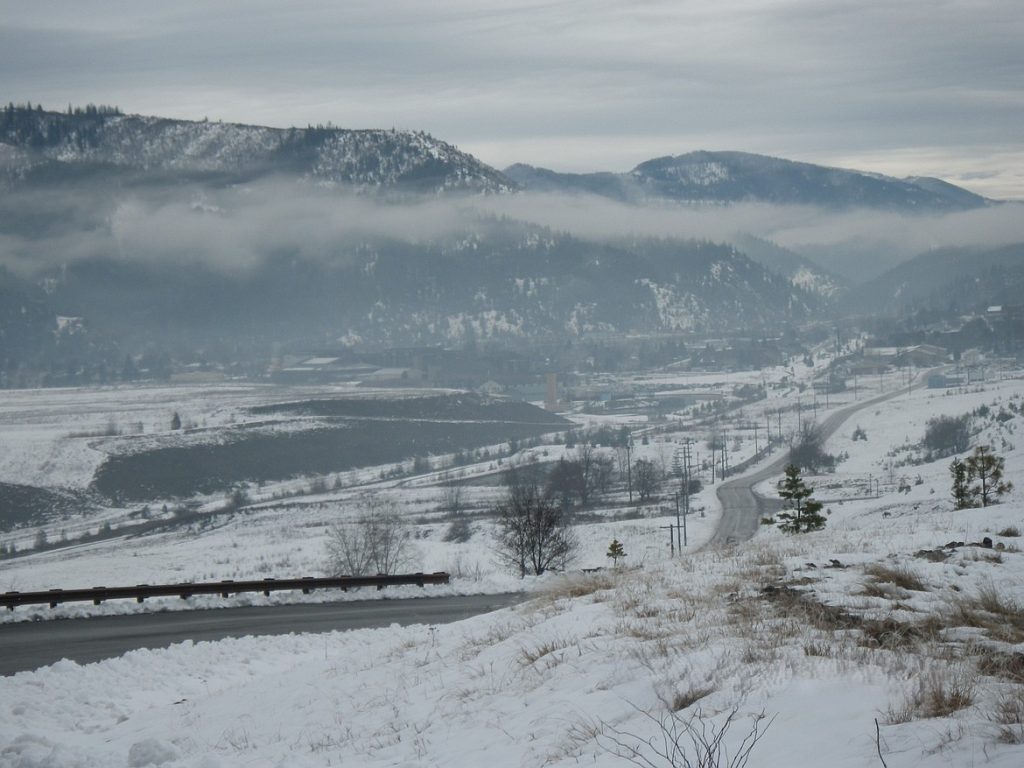
Take a deep breath. Notice anything? Perhaps that breath tasted resinous like the fir you cut in June. Was it more of a feeling? Itchy-burning making you sneeze, cough and water at the eyes. Your last batch of festive sugar cookies got too “crispy”. Or maybe tendrils of your neighbors’ chimney smoke infiltrated crevices in your home allowing outdoor air unwanted access. We often take air quality for granted; it is usually unseen, unscented, and fills our lungs to contentment—until it is making us sick. The quality of our air is a graded thing, one we do not control completely but can affect with forethought or oversight.
Short term symptoms of particulate matter exposure include dizziness, fatigue, shortness of breath, and mild respiratory irritations. With repeated exposures, long-term effects can take root. Tissue damage and lung inflammation can lead to increased risk of heart disease, lung cancer, and chronic bronchitis. For people with preexisting respiratory disease, worsening symptoms may occur. We encounter these particles because our daily activities create them. Day-to-day errands in our cars on dusty roads, cooking, cleaning, firing up the woodstove, blowing dust, burning backyard waste, and uncontrolled industrial processes are all potential sources of exposure.
One of the largest lead pollution events in US history started as an air quality incident. At the Bunker Hill lead smelter in 1973, fire broke out in the baghouses and destroyed its air pollution controls. A business decision to bypass damaged filters became the tragedy and hassle of the current Superfund site. Particles of lead and other toxins released into the air caused irrevocable damage to the health of individuals. Pollution did not remain airborne, and the secondary impact was the contamination of soil and water.
Improving air quality requires each of us to do our part. Utilize the air curtain incinerator at the Shoshone County Transfer Station. It is free for county residents! To reduce smoke, drop off your yard trimmings or slash, instead of burning at home. To improve indoor air quality, employ filters to clean the air. Increase filter effectiveness by weatherizing your home where you are able. Be sure to burn clean, dry wood with good technique in woodstoves. Clean floors and dust regularly. Smoke outside. If the air outside is better than indoors, open windows. Cleaning up outdoor air is not as simple as indoor solutions; it is an exercise of developing and practicing good habits that limit the number of particles and toxins released into the atmosphere around us. In general, source control is the best solution.
The Dirt is a series of informative articles focused on all aspects of cleanup efforts associated with the Bunker Hill Superfund Site. Our goal is to promote community awareness of contamination issues, to provide tools for protecting public health, and to keep the community informed of current and future cleanup projects. The Dirt is a group of committed and local experts from multiple agencies including the Basin Environmental Improvement Project Commission, Panhandle Health District, Shoshone County, Silver Valley Economic Development Corporation, and the Idaho Department of Environmental Quality.
THE DIRT: The Super JTI Program
The Superfund Job Training Initiative (SuperJTI) is an environmental remediation job readiness program that provides free training and career development opportunities for people living in communities affected by Superfund sites. The Environmental Protection Agency’s (EPA’s) goal is to help these communities develop job opportunities that remain long after a Superfund site has been cleaned up.
The EPA held their SuperJTI program for Silver Valley residents this past Spring. Participants in this free program received useful training for environmental jobs in the area. The program provided participants with multiple certifications at no charge and prepared them for careers in environmental cleanup work. These certifications included work readiness, CPR/First Aid, work zone flagging, and Hazardous Waste Operations and Emergency Response (40-hour HAZWOPER).
It has been more than six months since the Super JTI graduates completed their training and their progress has been amazing. Of the 12 SuperJTI graduates, 10 are actively working in some capacity.
The graduates have secured jobs in various capacities beyond those just in environmental remediation. Of course, some were hired by companies that relate to cleanup activities such as McGillivray Environmental, Northwind, Traffic Management and Quality Traffic Control. Others are currently employed by Idaho Fish and Game and Moran Mining.
“This was our third SuperJTI held here in the Silver Valley”, said Rene Gilbert who recently worked with the SuperJTI graduates. “The first was held in 2012, and the second in 2013. Some of those graduates are still working for local contractors. That’s not just a seasonal job, that is a career! With the certifications they receive, graduates can choose to pursue jobs locally, or anywhere that these certifications are a requirement for the job. I am very proud of our graduates and love hearing how this program has impacted their lives.”
SuperJTI projects benefit everyone involved by offering participants valuable training in marketable skills, boosting the local tax base for residents, and supplying cleanup contractors with a motivated and skilled labor force. EPA is also able to increase community awareness of cleanup efforts and environmental issues through each successfully completed SuperJTI series.
The Dirt is a series of informative articles focused on all aspects of cleanup efforts associated with the Bunker Hill Superfund Site. Our goal is to promote community awareness of contamination issues, to provide tools for protecting public health, and to keep the community informed of current and future cleanup projects. The Dirt is a group of committed and local experts from multiple agencies including the Basin Environmental Improvement Project Commission, Panhandle Health District, Shoshone County, Silver Valley Economic Development Corporation, and the Idaho Department of Environmental Quality.
THE DIRT: Air quality monitoring
Your family sledding trip should only leave your calves burning. But you feel it more in your chest after a smoky day in our narrow Silver Valley. Think back to the red AQI forecast on your phone. What information was it trying to convey? The Air Quality Index (AQI) is a color-coded tool to relay air pollution threats. Starting at GREEN, for good, colors warm to MAROON, for hazardous. The AQI can represent a variety of pollutants. In North Idaho, two air pollutants are monitored—PM10 and PM2.5.
The air around us contains particulate matter (PM). This term describes the microscopic solids and liquid droplets suspended in the atmosphere. These inhalable drifters can be pollen, dust, or other harmful particles. PM10 is the subgroup of these particles smaller than 10 micrometers (µm). About the size of one-tenth a grain of salt, PM10 particles can often be coughed out. PM2.5, on the other hand are tiny, 2.5µm in size. Measuring about one-20th of a strand of hair, these particles can be breathed in so deeply that they cannot be expelled. They can build up with each exposure and lead to the most risks. Associated toxins can pass directly into the bloodstream causing adverse effects.
This year, the EPA lowered the annual PM2.5 standard to reflect a better understanding of health risks associated with long-term exposures. This is one of the National Ambient Air Quality Standard (NAAQS) criteria pollutants that is monitored to help protect environmental and community health. The current primary standard for annual PM2.5 is 9.0 micrograms per cubic meter (µg/m3). This concentration of particles in the air is considered safe for most people. It corresponds with the maximum of the GREEN category from the AQI. When the average concentration rises above 9.0µg/m3 for 24 hours, there is an increased risk of short-term effects. Furthermore, when the annual average has excess days above the GREEN category, you start to see the riskier long-term effects associated with exposure to PM.
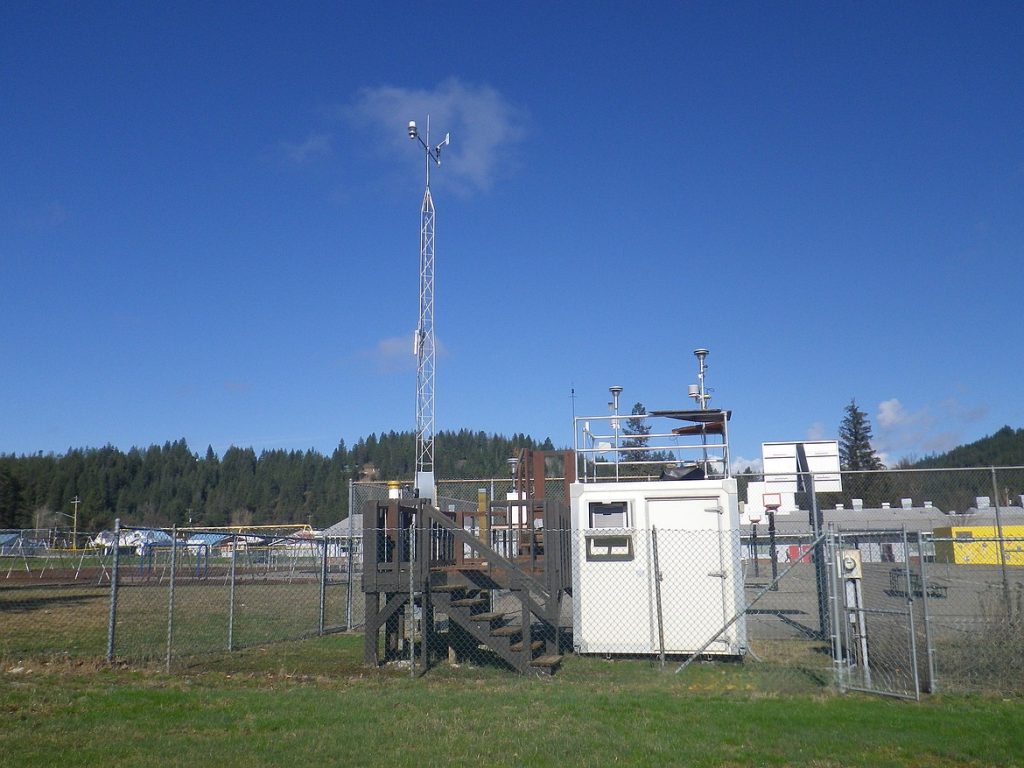
To help the community make informed choices and monitor potential health risks, a monitoring site in the Silver Valley was installed near Pinehurst Elementary School. The site features weather data collection, monitors for collecting PM2.5 and PM10 data and a NASA robot that monitors the upper atmosphere. Keeping tabs on this data with the DEQ Air Map and watching for AQI forecasting is easy! It can help you make informed decisions on how much time you and your family should be spending outdoors. Paying attention is just the beginning of protecting ourselves from poor air quality.
The Dirt is a series of informative articles focused on all aspects of cleanup efforts associated with the Bunker Hill Superfund Site. Our goal is to promote community awareness of contamination issues, to provide tools for protecting public health, and to keep the community informed of current and future cleanup projects. The Dirt is a group of committed and local experts from multiple agencies including the Basin Environmental Improvement Project Commission, Panhandle Health District, Shoshone County, Silver Valley Economic Development Corporation, and the Idaho Department of Environmental Quality.
THE DIRT: Understanding the work throughout Burke Pt. 2
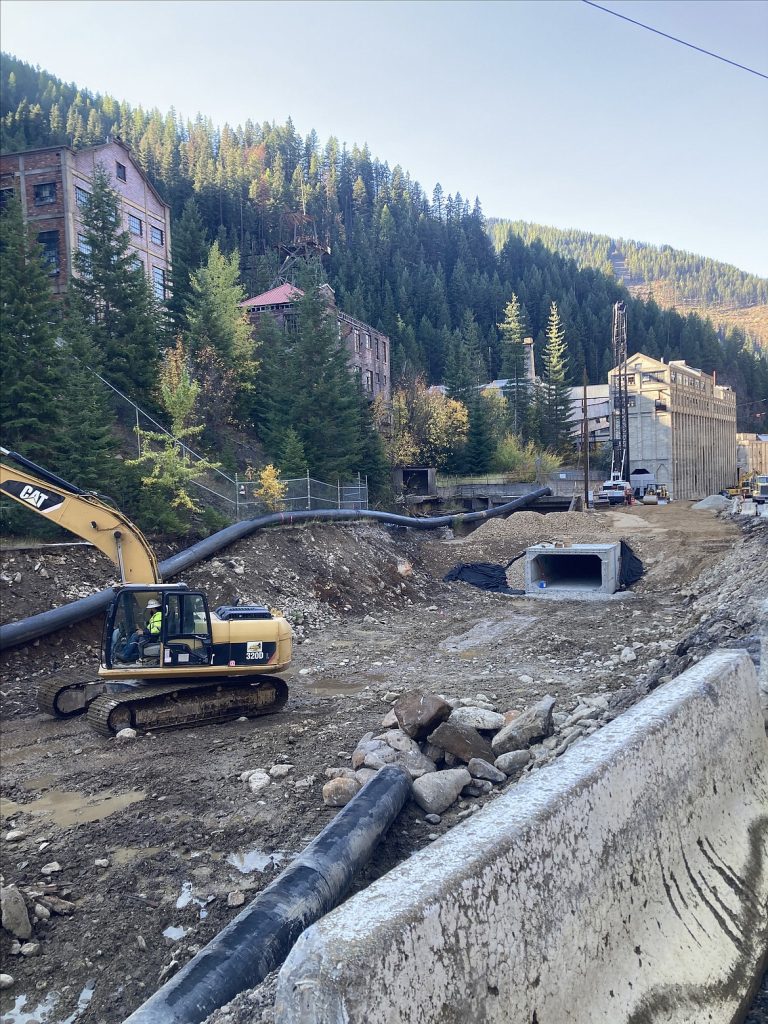
The cleanup at the Hecla Star Complex started in 2023. The area known as Burke saw a big increase in construction work this past summer and will continue through the summer of 2026. Notably, the biggest change this summer was the installation of a very large box culvert that was placed near the large concrete mill building. Great efforts were taken to avoid impacts to the large historic buildings along Burke Road and to salvage the concrete stamped “HECLA 1923” at the culvert outfall. The creek was diverted during installation but was reintroduced into the culvert and stream channel at the end of 2024. The culvert was installed to reduce area flooding and is robust enough to handle a 100-year storm event. This will not only reduce flooding downstream but also reduce the possibility of recontamination from transported mining waste into the floodplain.
Work will continue near Burke next season. The emphasis will be on removing contaminated waste from Burke Road’s roadbed and the Canyon Creek corridor. Mine waste was commonly used as the foundation for the area roadways, and that waste is over 20 feet deep in some areas. The asphalt on Burke Road is rapidly degrading, exposing contaminated materials and creating a danger to public health. To remove these contaminated materials, Burke Road will need to be reduced to one-lane traffic, while each side is excavated out, backfilled with a new clean road base, and re-paved following project completion in 2026. In addition, cleanup work will remove contamination from the Canyon Creek stream corridor and a natural stream channel will be rebuilt upstream from the Star complex, up to Gorge Gulch. These extensive efforts will not only improve surface water quality but will provide a freshly paved section of road for travelers to the area. The work is expected to be completed in the Hecla Star area in the fall of 2026.
Once the Hecla Star Complex project is completed, work will continue downstream on additional sites. Historically, there were many different mill sites in the canyon. Crews will begin working to address the areas that impact human health and recreation the most. The current plan is for work to begin at the Tamarack No. 7 in 2025, the Flynn/Black Bear in 2026 and the Standard Mammoth in 2027. The work is anticipated to have less impact to traffic on Burke Road; however, an increase in truck traffic as part of the removal and replacement actions taking place should be expected.
Cleanup work may be an inconvenience for those who live and frequent this area, but good things come to those who wait. Once work is complete, the area will be cleaner, and the risk of metals exposure to humans and wildlife will be greatly reduced.
The Dirt is a series of informative articles focused on all aspects of cleanup efforts associated with the Bunker Hill Superfund Site. Our goal is to promote community awareness of contamination issues, to provide tools for protecting public health, and to keep the community informed of current and future cleanup projects. The Dirt is a group of committed and local experts from multiple agencies including the Basin Environmental Improvement Project Commission, Panhandle Health District, Shoshone County, Silver Valley Economic Development Corporation, and the Idaho Department of Environmental Quality.
THE DIRT: The History of the Cataldo Dredge
One of the most scenic views along Interstate 90 in the Silver Valley is arguably found when driving west across the Mission Flats area of Cataldo. As the trees break away, you encounter the beautiful site of Latour Baldy and Silver Mountain in the background, with the historic Cataldo Mission in the foreground surrounded by serene swamps and wetlands. This area may look beautiful today, but it was not always so. In fact, historically this area was used for the consolidation of massive amounts of mine wastes traveling downstream from the many mines and mills of the Upper Basin.
Historically, hard rock mining in the Silver Valley region used disposal methods that were common across the nation. Flowing creeks and streams provided an easy disposal mechanism for industrial waste. In the Silver Valley, those wastes were primarily mine and mill tailings, and slimes. While not the original intention of mine operators, these practices harmed the environment, the ecosystem, and human health.
By the early 1900s agricultural areas, especially along the lower sections of the Coeur d’Alene River, became inundated with these waste products. Farmers watched helplessly as their crops died and their livestock became poisoned, leading to dozens of farmers filing lawsuits against the mining companies. The mines were given preferential treatment in these court rulings, but due to court costs and settlement fines, the Mine Owners Association (MOA), an organization comprised of thirteen local mining companies, began efforts to curtail the amount of mine waste migrating downstream. Early efforts included the construction of a series of plank dams that the MOA hoped would slow the migration of the waste. Dams were constructed on Canyon Creek at Woodland Park and on the South Fork of the Coeur d’Alene River (SFCDA) at Osburn and Pinehurst. While the dams reduced the volume of suspended solids carried downstream, they could not contain the finer tailings generated by the new flotation method being implemented across the Coeur d’Alene mining district. The dams were also easily damaged and breached during high water and flood events. Without proper maintenance and constant re-building, they stopped functioning.
From late 1929 to early 1930, Coeur d’Alene Press editor John Knox Coe ran a series highlighting the pollution problems of the Coeur d’Alene Basin. Coe’s series helped spotlight this issue and put pressure on local officials to take these concerns to the capital. In response, the Idaho state legislature created the Coeur d’Alene River and Lake Commission. A 1932 study led by Dr. M.M. Ellis of the United States Bureau of Fisheries found no live fish species in the main Coeur d’Alene River nor in the SFCDA up to Mullan. After his months-long study, Dr. Ellis concluded that “there is but one solution for this pollution problem as far as fisheries are concerned, namely, the exclusion of all mine wastes from the Coeur d’Alene River.”
Prior to the Ellis study, the MOA had consulted with the U.S. Bureau of Mines to develop a new plan for addressing mine waste in the Coeur d’Alene River system. The group decided to construct a large floating suction dredge below the Cataldo Mission on the main channel of the Coeur d’Alene River. The MOA established a Dredge Fund and over twenty-three mining companies contributed to the fund. W.L. Zeigler, a local mine engineer, was selected to design the dredge and develop an operating plan. More than two thousand acres of Mission Flats were purchased to be used as the impoundment area for the dredge. The MOA determined that this location was ideal because this portion of Mission Flats, where the river converted from a high to a low gradient system, already acted as a natural deposition zone. Mine waste naturally settled out across the flats and at times the river flowed so slowly along this stretch that build-up would partially plug the river channel, making boat travel difficult or impossible. When Dr. Ellis assessed this new dredging method, he concluded that the operation of the suction dredge would reduce the amount of waste carried downstream, but could not capture and contain the finer particles, nor would it impact the upriver pollution. He warned that “this pumping out of mine slimes will be helpful to some extent but it will not solve the pollution problems in the Coeur d’Alene River.” But investments had already been made, and despite Ellis’ criticisms, the MOA continued with their operational plans.
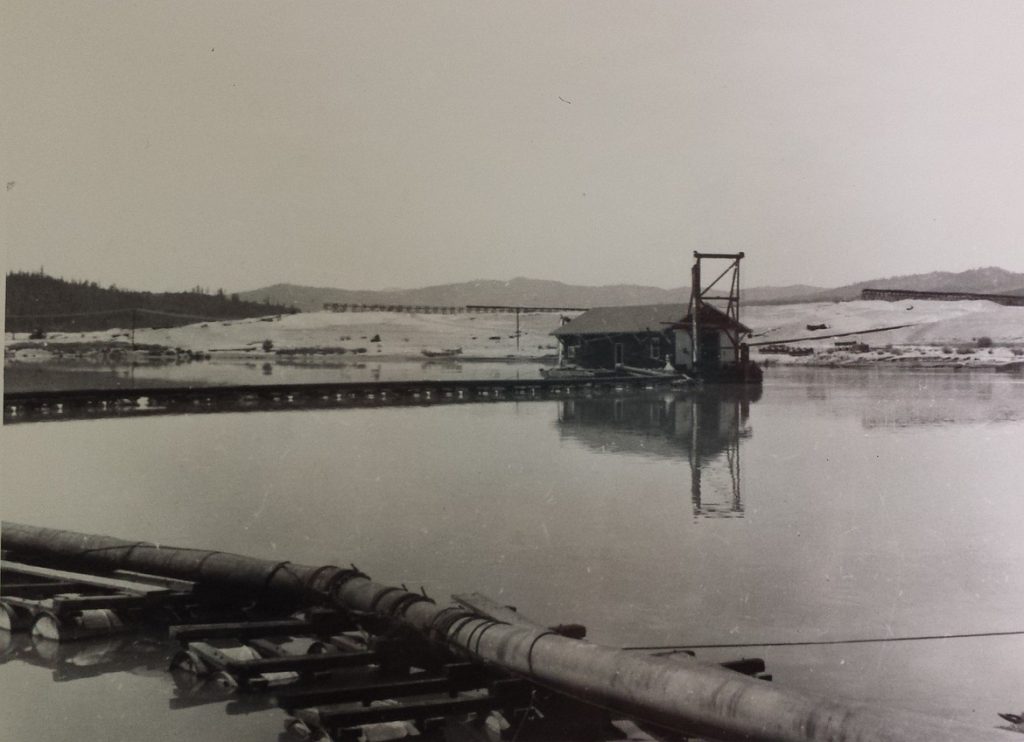
This dredge differed from the traditional ladder dredges used in the Murray gold fields just north of the Silver Valley. It operated by collecting tailings scoured from the river bottom through a powerful pump. It then transported the tailings through a large flexible rubber pipe floating on steel drum pontoons that would connect to one of four heavy discharge stations spaced along the shore. The floating line would then connect to each discharge station as the dredge moved down the pond. Once transported to the discharge stations, the tailings were then carried from the water’s edge up to the top of the impounding dike out into the impound area. The pumped water would then travel through a series of ponds and sloughs, that provided a way for the remaining tailings to settle out before returning to the river. Powered by electricity from a nearby substation, the dredge could pump approximately 7,000 gallons of water per minute, removing an estimated five hundred tons of sediment per hour. The dredge operated 22.5 hours per day, after springtime high waters receded, through the summer months into the fall until the onset of freezing temperatures which could cause mechanical disruptions. From 1932 to 1968, it removed an estimated 34.5 million tons of tailings, which were deposited across more than two thousand acres of Mission Flats at depths of thirty-five to forty feet in places. In the late 1950s and early 1960s, the Idaho Department of Highways contracted with the MOA to direct approximately one million tons of tailings between two parallel dikes, constructing the roadbed for Interstate 90 through Mission Flats, which we still drive across today.
For over eighty years, Silver Valley mining companies legally discharged waste products without limits or safeguards. In 1968, state and federal regulations mandated that mine and mill operators completely cease direct discharges and begin impounding all tailings on company-owned property. With the construction of individual tailings impoundment ponds, there was no longer a need for the dredge. It was dismantled, scrapped for parts, and the rest abandoned in place. While the dredge ended operations more than 55 years ago, the mine tailings impounded on Mission Flats remain today. Most of these dredge tailings have the look and consistency of fine beach sand and still contain dangerous levels of heavy metals. Due to their very fine size, they are extremely mobile, making them easy to accidentally inhale and ingest. In the early 2000s, access controls and no trespassing signs were installed to keep the public out of the dredge area; however, tailings can still be found lining the banks of the South Fork and the main Coeur d’Alene River. It is advised to avoid contact with sediments along the river and for recreators to use recommended guidance to protect your and your family’s health when recreating in these areas. For more information please visit www.deq.idaho.gov/waste-management-and-remediation/mining-in-idaho/play-clean-in-the-coeur-dalene-basin/.
The Dirt is a series of informative articles focused on all aspects of cleanup efforts associated with the Bunker Hill Superfund Site. Our goal is to promote community awareness of contamination issues, to provide tools for protecting public health, and to keep the community informed of current and future cleanup projects. The Dirt is a group of committed and local experts from multiple agencies including the Basin Environmental Improvement Project Commission, Panhandle Health District, Shoshone County, Silver Valley Economic Development Corporation, and the Idaho Department of Environmental Quality.
THE DIRT: Understanding the work throughout Burke Pt. 1
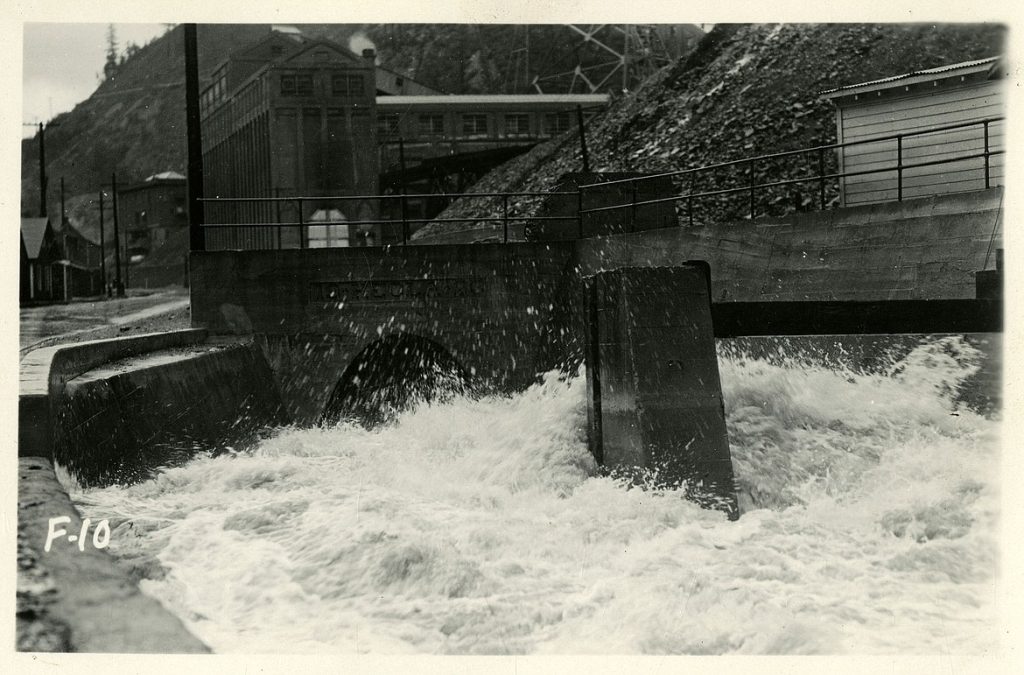
Many of you have witnessed the massive amount of work taking place in Canyon Creek, near Burke. Cleanup of historic mine waste, as part of the Bunker Hill Superfund Site (BHSS) selected remedy, has begun for this area.
Cleanup methods for the Bunker Hill Superfund Site are documented in the Records of Decision or RODs. In simple terms, the RODs provide direction for cleanup actions implemented on the site. All superfund sites have one or multiple RODs, which highlight the history of the site, provide a description of alternatives for site cleanup, and give the rationale for chosen cleanup methods, cost estimates, and responses to any public comments received. The BHSS has four RODs that document how the cleanup should proceed. The Upper Basin, where Canyon Creek and Burke are located, utilizes the 2012 ROD Amendment.
The Canyon Creek area is one of the most contaminated areas upstream of the Box. The Box is the 21 square mile at the BHSS that surrounds the former smelter complex. Canyon Creek has 127 source areas from 70 historical mines and 13 historical mills which produced 35,000,000 tons of ore and 27,000,000 tons of tailings during their operational lifetimes. Historic mining practices resulted in the direct discharge of tailings, or waste, from mining and milling operations into the South Fork of the Coeur d’Alene River and its tributaries. This did not end until 1968. The largest source of dissolved metals loading to the river is the discharge from the Canyon Creek Drainage.
The selected remedy is expected to result in significant improvements to surface water quality in the Upper Basin. Areas that present exposure risk to people from contaminated mine wastes are the highest priority. Following the implementation of remedial actions, the health of Upper Basin fisheries is expected to improve dramatically. Cleanup will expand the recreational use of riparian areas and allow potential development. In addition to cleanup work, stormwater controls will be implemented to reduce potential recontamination. Most importantly, the selected remedy will reduce human health risks associated with exposure to contaminated mine waste materials.
As the cleanup efforts at Canyon Creek progress, it’s essential to understand the scope of work planned for the next phases. Part 2 will cover the specific strategies being used to tackle the remaining contaminated areas, including the methodologies for stormwater control, soil remediation, and ecosystem restoration. We’ll also explore the steps being taken to monitor the environmental impact of these efforts and ensure long-term safety for the surrounding communities and wildlife.
The Dirt is a series of informative articles focused on all aspects of cleanup efforts associated with the Bunker Hill Superfund Site. Our goal is to promote community awareness of contamination issues, to provide tools for protecting public health, and to keep the community informed of current and future cleanup projects. The Dirt is a group of committed and local experts from multiple agencies including the Basin Environmental Improvement Project Commission, Panhandle Health District, Shoshone County, Silver Valley Economic Development Corporation, and the Idaho Department of Environmental Quality.
THE DIRT: Mining in Burke Canyon
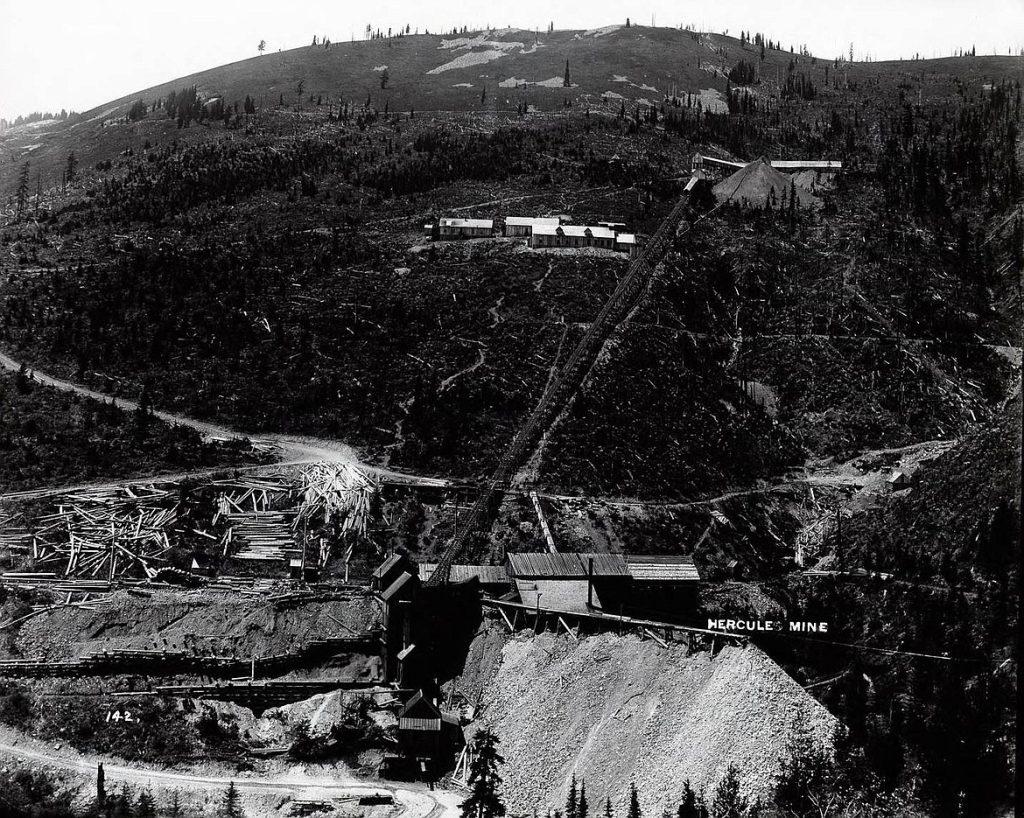
The first discovery of lead–silver–zinc ore in the Silver Valley was on May 2nd,1884 in what is now known as the community of Burke. This first discovery was staked and named the Tiger. Three days later, on the opposite side of the Canyon, the Poorman Claim was staked. These early discoveries were just the beginning. Over the next few years, more than seventy additional mining claims were staked along Canyon Creek, making it one of the most prolific mining areas of the Silver Valley.
During this era, mining and milling practices were drastically different than those of today and did not directly take into consideration human health or ecological impacts. The early mills constructed to process and concentrate the ores were relatively crude, and the mineral recovery rates were much lower than modern methods. Early mills relied on hand sorting and the use of equipment such as stamp mills, jigs, buddles, and vibrating tables to separate the metal-rich ore from the less valuable materials. These methods were very inefficient, at times recovering less than 75% of the metals from the ore and leaving behind concentrated levels of lead, arsenic, and zinc in the waste, known as tailings. Though the mines knew that technologies would change, and extraction methods would improve, Burke Canyon is extremely narrow, making it nearly impossible to stockpile materials for future processing. Instead, leftover mine tailings and the slimes created by mixing water with the tailings were deposited directly into Canyon Creek, or piled onto hillsides and into gullies allowing gravity and surface water drainage to carry them to the creek. With the rapid growth of Burke Canyon, timber quickly became a precious commodity needed for mine timbers, railroads, mill and home construction, and fuel. The hillsides in and around Canyon Creek were quickly stripped bare, increasing the rate of runoff from the hillsides. This, combined with the large volume of tailings already clogging the creek channel, raised stream levels so that overbank flooding was a common occurrence, further distributing the contaminated materials throughout the canyon.
As time passed and more mills were constructed along Canyon Creek, farmers downstream witnessed changes to their land as mine waste inundated their farms. In 1903, all these factors led to the first lawsuit against a mining company by a Shoshone County farmer living downstream of the pollution sources. The complainant claimed that the mine wastes being deposited onto his land by Canyon Creek were killing crops, hay, and other vegetation, and poisoning his farm animals, some to death. During the trial, the mining company defended itself by citing the Idaho State Constitution which granted preferential water use for mining and milling purposes over those for agricultural use due to the economic benefits of the mining industry. Despite other similar lawsuits filed over the years, area mines were legally allowed to continue directly discharging waste materials into area water bodies until 1968.
Nearly 100 years of historic disposal practices took a toll on much of the Silver Valley and the Lower Coeur d’Alene River Basin region, which led to the area being listed as a federal Superfund Site enabling cleanup actions to be implemented. Early remedial activities to address widespread contamination focused on residential yards, schools, parks, and community areas and much of those cleanup efforts have been completed. Now remediation efforts have turned to the more isolated mine and mill sites, including many found in Burke Canyon. Work to remove contaminated materials in the town of Burke began last year and will continue throughout the gulch. Burke Canyon is a historical gem, and cleanup crews are taking measures to preserve historical structures and features as best as possible. While remedial actions are essential to protect human health, the environment, and our ecology, considerations for preserving our history are also a major consideration in this process.
The Dirt is a series of informative articles focused on all aspects of cleanup efforts associated with the Bunker Hill Superfund Site. Our goal is to promote community awareness of contamination issues, to provide tools for protecting public health, and to keep the community informed of current and future cleanup projects. The Dirt is a group of committed and local experts from multiple agencies including the Basin Environmental Improvement Project Commission, Panhandle Health District, Shoshone County, Silver Valley Economic Development Corporation, and the Idaho Department of Environmental Quality.
THE DIRT: Land use transfers to support economic development and recreational opportunities in the Silver Valley
The Idaho Department of Environmental Quality (DEQ) finalized three land transfers and a renewable lease agreement for property located within the Bunker Hill Superfund Site, helping advance local economic development and recreational opportunities.
These actions, done in partnership with the Idaho Department of Parks and Recreation (IDPR), Idaho Department of Fish and Game (IDFG), and the city of Kellogg, provide almost 200 acres for public recreation and economic expansion.
“DEQ is excited to support new land use now that the cleanup work is complete for these properties,” said Dan McCracken, DEQ’s Coeur d’Alene Regional Office Administrator. “We believe that these transfers will help provide safe outdoor recreation access and promote local economic activity throughout the area.”
William Niska, manager of the Trail of the Coeur d’Alenes, said the move will open exciting opportunities for recreators along the 73-mile trail, giving users a place to rest and recuperate. “We appreciate DEQ’s willingness to support something new with the campground, which will reclaim this once-damaged ground for positive public use,” he said.
“The transfer of DEQ property to the city of Kellogg is viewed as a very forward-looking asset for the local community,” said Mike Fitzgerald, Public Works Director for the city of Kellogg.
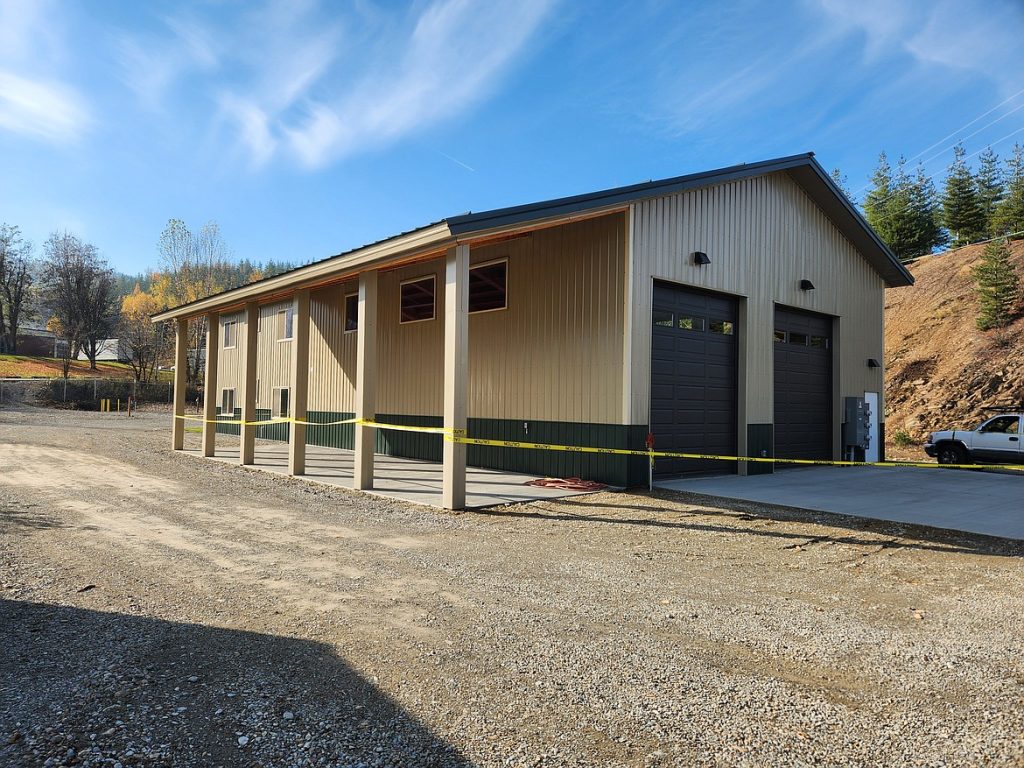
The first transfer includes property located on the east side of Government Gulch Road. DEQ transferred the 9.8-acre parcel to a local excavating company, DG&S, providing an opportunity to construct a new facility and expand operations.
The second includes an approximately 140-acre property lease agreement with IDPR for a bike-in campground along the Trail of the Coeur d’Alenes. The campground will have 26 bike-in/walk-in sites, a restroom/shower house, tent pads, and power hookups for recharging devices and e-bikes. Construction is planned for 2025.
The third includes a 40-acre parcel transfer to IDFG to expand an existing Wildlife Management Area north of I-90 and west of the Shoshone County Airport. The added property will help improve wildlife habitat and extend recreational opportunities.
The fourth transfer allows the city of Kellogg to designate the existing Government Gulch Road, previously a private access point, as a public right of way. Transfer of approximately four acres to the city creates local development and recreational opportunities.
Through these land transfers, DEQ and the State of Idaho are supporting the local economy and ensuring the Silver Valley is an area where people can live, work, and play.
The Dirt is a series of informative articles focused on all aspects of cleanup efforts associated with the Bunker Hill Superfund Site. Our goal is to promote community awareness of contamination issues, to provide tools for protecting public health, and to keep the community informed of current and future cleanup projects. The Dirt is a group of committed and local experts from multiple agencies including the Basin Environmental Improvement Project Commission, Panhandle Health District, Shoshone County, Silver Valley Economic Development Corporation, and the Idaho Department of Environmental Quality.