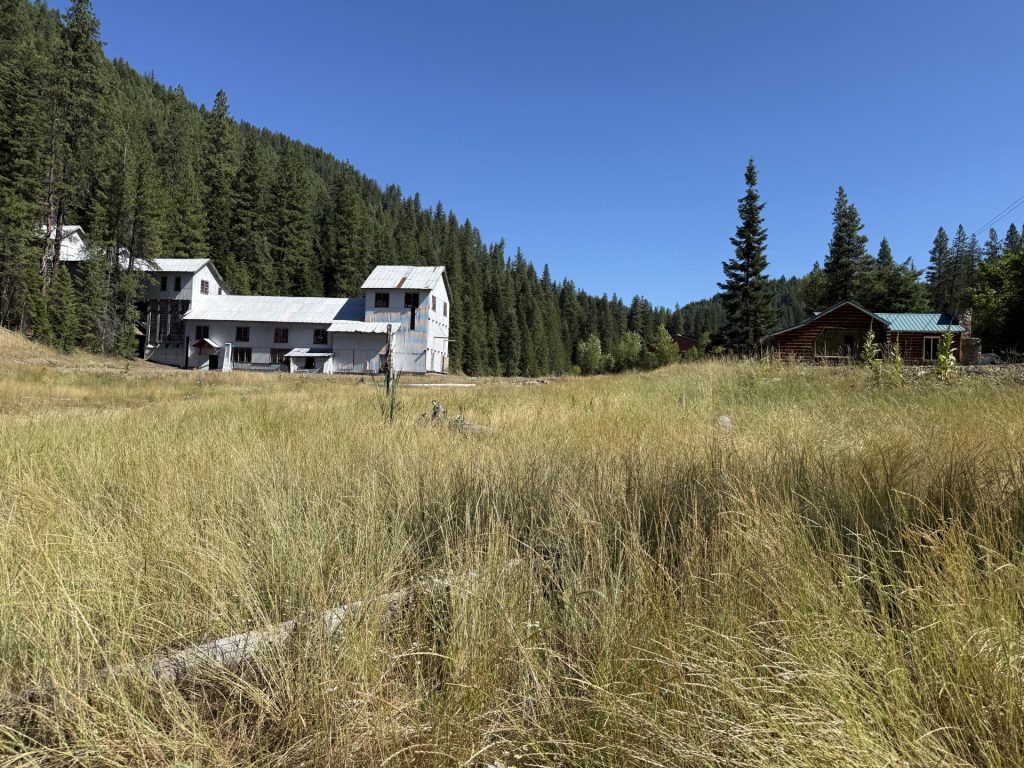
The Dayrock Complex is located near Wallace within Ninemile Creek Basin watershed and is included in the Upper Basin of the Bunker Hill Mining and Metallurgical Superfund site. This site offers a real-world example of how the National Historic Preservation Act (NHPA) guides decisions and mitigation when cleanup efforts affect historic resources. During the Historic Resource Survey, 18 historic-period architectural resources and one archaeological resource were identified leading to the determination that it is a historic district. The Dayrock Complex was determined eligible for listing in the National Register of Historic Places as a significant representation of historic mining technology.
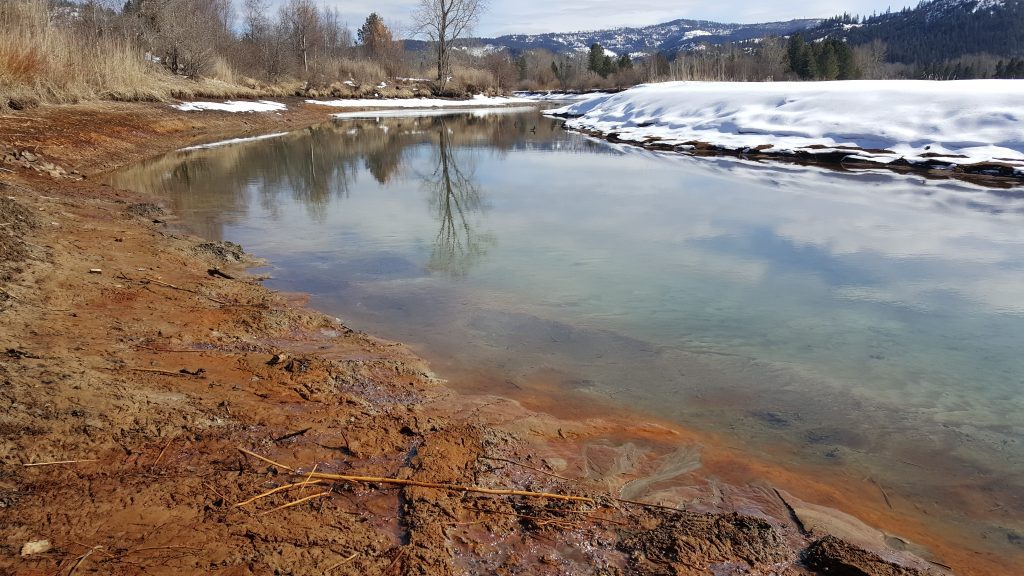
The cleanup at the Dayrock Complex required removing several old buildings and structures that were part of its historic mining district. The work also included adding new modern features—like reconstructed creek channels and culverts which would change the area’s historic layout, setting, and materials. Because these changes affected nearly all the elements that made the Dayrock Complex historically significant, they were considered an adverse effect under the NHPA and Environmental Protection Agency (EPA) determined that mitigation was necessary, and the Idaho State Historic Preservation Officer (SHPO) concurred.
Once mitigation is determined, EPA may reach out to potentially interested parties to discuss the project, its impacts, and begin discussing options to offset the impacts of the cleanup. Since the historic resource being adversely affected is a local resource, the local community should have a voice in what comes from the mitigation process.
To address the Dayrock Complex’s adverse effects, EPA met with Idaho SHPO and several local groups—including the Wallace Planning and Zoning Department, Nine Mile Cemetery Association, Wallace Mining Museum, Wallace Chamber of Commerce, Shoshone County, and the Advisory Council on Historic Preservation—to discuss the project and gather ideas for mitigation. Based on this input, EPA agreed to turn an existing Idaho mining history study into a Multiple Property Documentation (MPD) form, which provides a common framework for evaluating similar mining sites. This MPD provides contexts for the identification, evaluation, registration, and treatment of metal ore mining properties in the geographic area of the state of Idaho during the period 1860–1977. It provides a comprehensive historical overview of mining activities and related technology. The MPD is intended to assist cultural resources professionals, landowners, land managers, and the public in identifying and evaluating mining-related properties based on eligibility criteria for listing in the National Register of Historic Places (NRHP). As part of this effort, EPA also nominated two historic properties—the Nine Mile Cemetery and the Shoshone County Poor Farm—for listing in the NRHP, helping recognize and preserve important mining-related heritage while making future listings easier and more consistent.
Selecting off-site mitigation properties, such as the Nine Mile Cemetery and the Shoshone County Poor Farm, for listing on the National Register of Historic Places offers several key benefits. Listing formally recognizes the historical, architectural, or cultural significance of these properties, providing a clear framework for preservation and ensuring their value is considered in planning decisions. It can also make the properties eligible for preservation incentives such as grants or tax credits, supporting long-term maintenance and protection. Additionally, National Register status strengthens the credibility and transparency of mitigation efforts, demonstrating a commitment to safeguarding heritage resources while achieving environmental or development goals.
By integrating NHPA requirements into Superfund cleanups, agencies ensure that environmental remediation does not come at the cost of cultural heritage. Through careful planning, consultation, and thoughtful mitigation, it is possible to protect human health, the environment, and the stories embedded in historic landscapes.
The Dirt is a series of informative articles focused on all aspects of cleanup efforts associated with the Bunker Hill Superfund Site. Our goal is to promote community awareness of contamination issues, to provide tools for protecting public health, and to keep the community informed of current and future cleanup projects. The Dirt is a group of committed and local experts from multiple agencies including the Basin Environmental Improvement Project Commission, Panhandle Health District, Shoshone County, Silver Valley Economic Development Corporation, and the Idaho Department of Environmental Quality.