At first glance, the Page Repository seems like an unusual place for an environmental cleanup project. Why would engineers build a repository in what appears to be a wetland?
The answer begins more than a century ago.
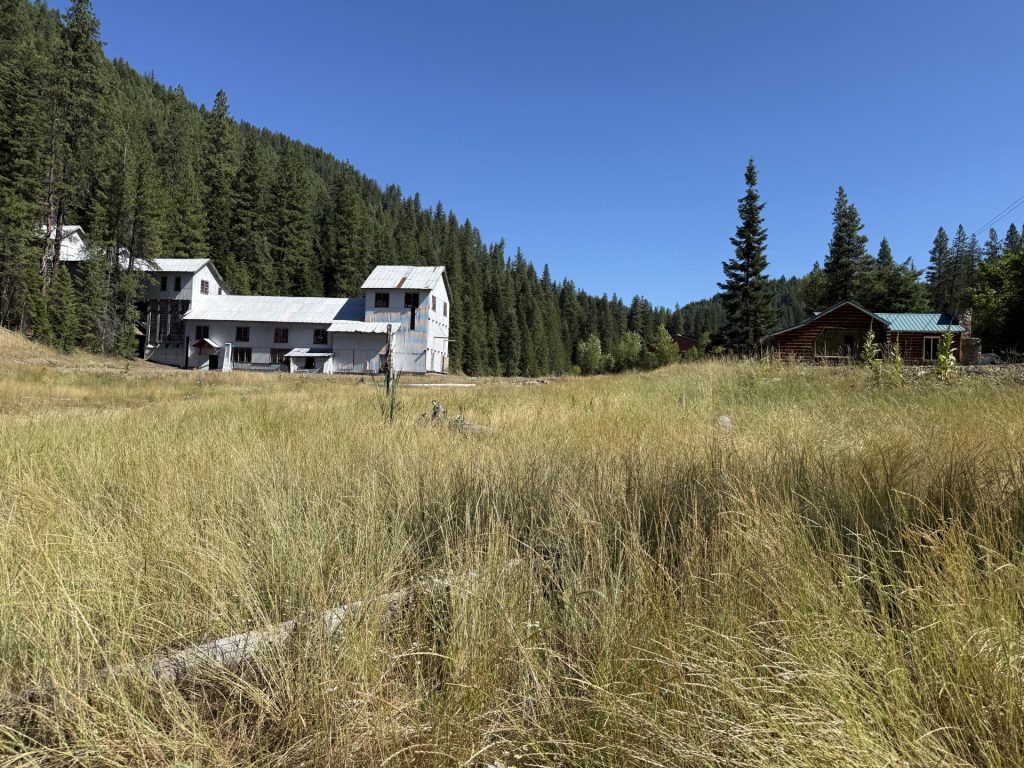
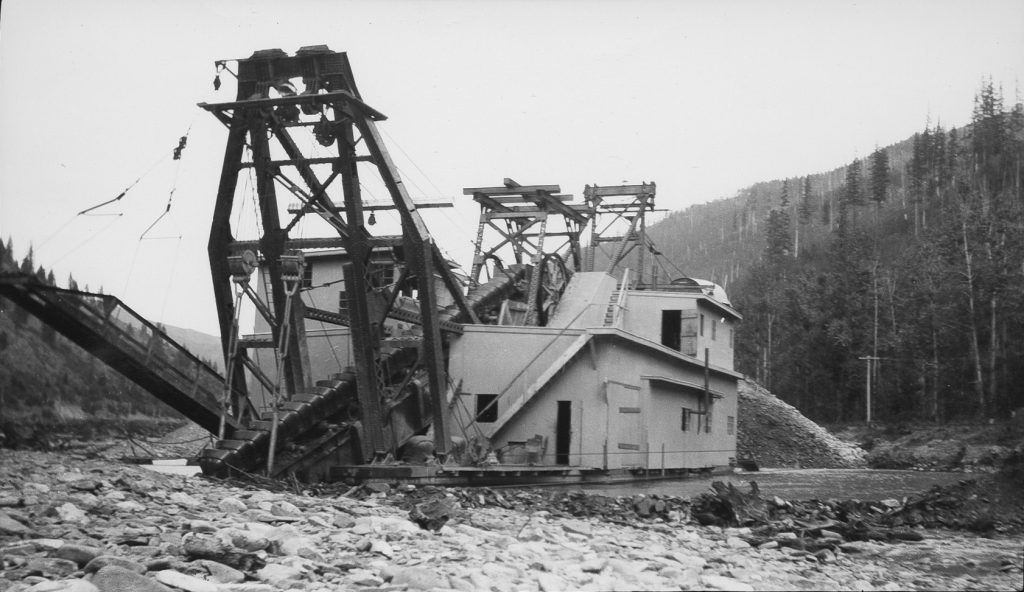
Long before the repository existed, the site served as the Page Mine tailings pond, where fine mining waste was deposited for decades. Those tailings contained elevated concentrations of lead and other metals, creating a long-term source of contamination.
When mining operations ended, the exposed tailings presented another problem. As they dried, fine contaminated particles became airborne, creating dust that posed a risk to nearby communities.
To prevent that from happening, cleanup managers intentionally maintained water over much of the former tailings pond. A water-control structure, known as a weir, was installed on the west end of the Page Swamp to maintain a relatively constant water level. During wet periods, the tiered weir allows excess water to flow downstream. During dry periods, it retains water over the tailings, preventing them from drying out and becoming mobile through wind erosion.
Over time, vegetation became established, wildlife colonized the area, and portions of the former industrial site developed wetland characteristics. Although these wetlands resulted from historic mining activities and subsequent cleanup actions—not natural processes—they became regulated under the Clean Water Act.
As engineers planned each repository expansion, wetland impacts were carefully evaluated through formal wetland delineations documented in the design reports. Federal law required those impacts to be compensated through wetland mitigation. Projects such as the West End Natural Infrastructure (WENI) project and later restoration work at Robinson Creek created and enhanced wetlands that replaced lost wetland functions while supporting the continued cleanup of contaminated mine waste.
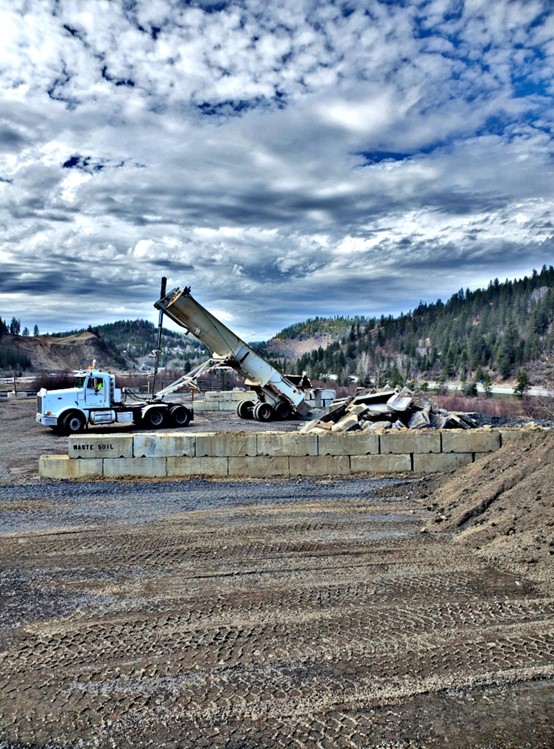
The concrete foundation visible today is another part of that long-term engineering strategy. The repository design calls for concrete or quarry rock beneath the disposal area to create a stable platform above the saturated ground. This foundation supports heavy equipment, minimizes settlement, and helps isolate contaminated materials from groundwater.
Stormwater management is a critical component of protecting water quality at the Page Repository. The repository is engineered with a tightly compacted surface that minimizes the amount of stormwater that comes into contact with the waste material. Surface runoff is directed to drywells, which convey the water into the engineered foundation beneath the repository. This design reduces the time stormwater is in contact with the waste while preventing erosion and uncontrolled runoff. Best management practices are also used to capture and remove sediment from stormwater before it enters the drywells, where it joins the water managed within the foundation system.
To verify that these engineering controls are working as intended, scientists monitor water quality at 14 locations around the Page Repository, including eight groundwater monitoring wells and six surface water sampling sites. Water samples are collected twice each year during both high-flow and low-flow conditions and analyzed for metals as well as key water quality indicators such as dissolved oxygen, pH, conductivity, and oxidation-reduction potential.
Once the engineered foundation is complete, contaminated soils are placed in controlled lifts over many years. The repository ultimately will reach approximately 60 feet of engineered fill before reaching its design capacity. Throughout construction, engineers carefully limit how much material is placed each season to maintain stability and allow the underlying foundation to settle as designed.
When repository operations are complete, the contaminated materials will be covered with an engineered cap that minimizes rain and snowmelt infiltration. Reducing the amount of water that moves through contaminated waste is one of the most effective ways to limit the movement of dissolved metals into groundwater and nearby streams.
The Page Repository represents decades of careful engineering and environmental planning. What may appear to be a pile of concrete is actually a critical component of an engineered system designed to safely contain contaminated mine waste, protect water quality, and support the continued cleanup of the Coeur d’Alene Basin for years to come.
 Official Government Website